







The Puzzling Yawn
We all know the feeling: you see someone yawn, and before you know it, you feel an irresistible urge to do the same. This isn't mere coincidence; it's
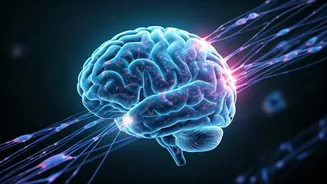
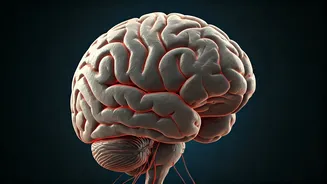
a common human (and animal!) reflex that scientists have been studying for years. A yawn itself is a deep inhalation with the mouth wide open, often occurring when we feel sleepy, bored, or even just waking up. While it might seem like a simple bodily function to signal tiredness or perhaps help regulate brain temperature, its contagious nature points to something much deeper about our social connections and how our brains are wired to interact with others.
Mirror Neurons at Play
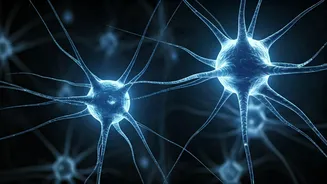
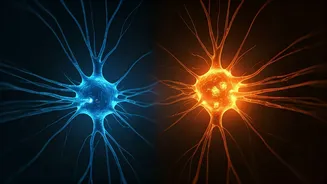
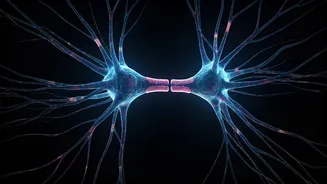
The primary explanation for why yawns spread so readily lies in a fascinating set of brain cells called mirror neurons. These special neurons activate both when we perform an action and when we observe someone else performing the same action. When you witness someone yawning – the wide mouth, the deep breath – your mirror neurons fire, essentially prompting your brain to mimic the behavior. This mirroring is a fundamental mechanism for learning, social understanding, and empathy. It's why we might unconsciously smile when someone else smiles or laugh when they laugh, and it's precisely why seeing a yawn can so easily trigger one in ourselves.
Empathy and Social Bonds
Research suggests that the propensity for contagious yawning is closely linked to empathy, our ability to understand and share the feelings of others. Studies have shown that individuals who score higher on empathy tests are more likely to catch yawns. This phenomenon is even more pronounced when the yawn comes from someone we know and feel connected to – friends, family, or classmates. Our brains are more attuned to the actions of those within our social circle, making us more receptive to their signals, including the humble yawn. In this sense, contagious yawning can be seen as a subtle, non-verbal indicator of social bonding and our deep-seated need to connect with those around us.
Beyond Humans: Animal Yawns
This intriguing behavior isn't exclusive to humans; it extends to the animal kingdom as well. Scientists have observed contagious yawning in various species, most notably in primates like chimpanzees and even in our canine companions. Dogs have been known to yawn after seeing their owners yawn, suggesting a shared instinct for social mirroring. The presence of contagious yawning in animals that live in social groups further supports the theory that it plays a role in maintaining social cohesion and strengthening bonds within a community. This cross-species observation highlights that the underlying mechanisms are likely ancient and fundamental to social creatures.