






Brain Scan Breakthroughs
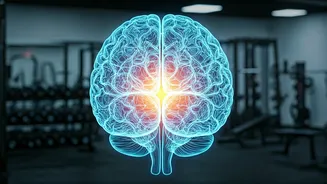
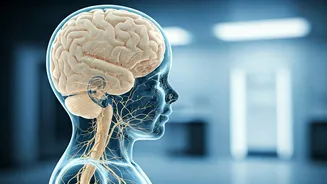
Scientists have achieved remarkable progress in examining the brains of infants, marking a significant advancement. Traditional methods of studying infant brains had
limitations, making it difficult to fully grasp the inner workings. However, through the use of sophisticated brain scanning techniques, researchers are now able to capture detailed snapshots of brain activity in real-time. This technological leap provides a unique chance to observe how babies process information, respond to stimuli, and develop cognitive skills in the earliest stages of life. The new scans reveal an unexpected level of sophistication, providing more detail than ever before about how babies' brains function during their initial months and years.
Decoding Baby Intelligence
These cutting-edge scans are not merely visual; they are providing critical insights into the essence of baby intelligence. The studies are starting to unravel how babies learn, their ability to reason, and their capacity to interact with the world around them. Researchers are particularly interested in the patterns of brain activity that appear when infants encounter different stimuli. This includes their reactions to faces, sounds, and objects. The detailed information obtained from the brain scans allows scientists to challenge previous assumptions regarding the timeline of cognitive development. They are discovering that certain cognitive abilities emerge much earlier than previously believed, thus changing our understanding of human development.
Early Learning Insights
The research has significant implications for how we understand early learning processes. These scans shed light on how babies acquire language, develop social skills, and form attachments. By observing the brain's activity while babies are exposed to various stimuli, scientists can identify the specific brain regions involved in these key processes. For instance, the scans have revealed that babies begin to recognize and respond to emotional cues earlier than previously thought. The capacity to mimic facial expressions and other social signals plays a significant role in social and emotional development. The understanding of early learning mechanisms can help guide parents and educators, resulting in more effective approaches for fostering cognitive and social skills in infants.
Future Research Directions
This area of research promises a wealth of future possibilities. Scientists are planning to use advanced scanning methods to explore various aspects of infant cognition. One focus is on identifying early indicators of cognitive and neurological disorders. By understanding typical brain development patterns, researchers hope to recognize any deviations, allowing for earlier detection and intervention. Furthermore, the scans are enabling investigations into the impact of environmental factors, such as nutrition and early experiences, on brain development. The findings will help parents and medical professionals create the optimal conditions to nurture a baby's cognitive potential. These scans can unlock many keys to the inner workings of the human mind.
Shaping Development Strategies
The knowledge gained from these brain scans is helping to refine strategies for early childhood development. This includes the development of enriched learning environments, interactive programs, and educational resources tailored to the unique cognitive abilities of infants. By understanding the processes in the brain, researchers can design interventions that optimize learning and development. The results of the research will enable the development of better ways to support the cognitive and emotional well-being of young children. These initiatives also help parents and caregivers better understand how to interact with babies, thereby improving the opportunities available to infants to thrive.