


The Science Behind It
Scalp massage is far more than just a relaxing ritual; it's a scientifically supported method to encourage hair growth by enhancing circulation. When you
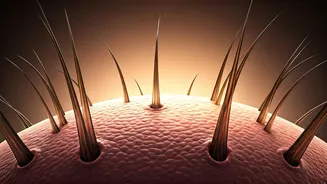
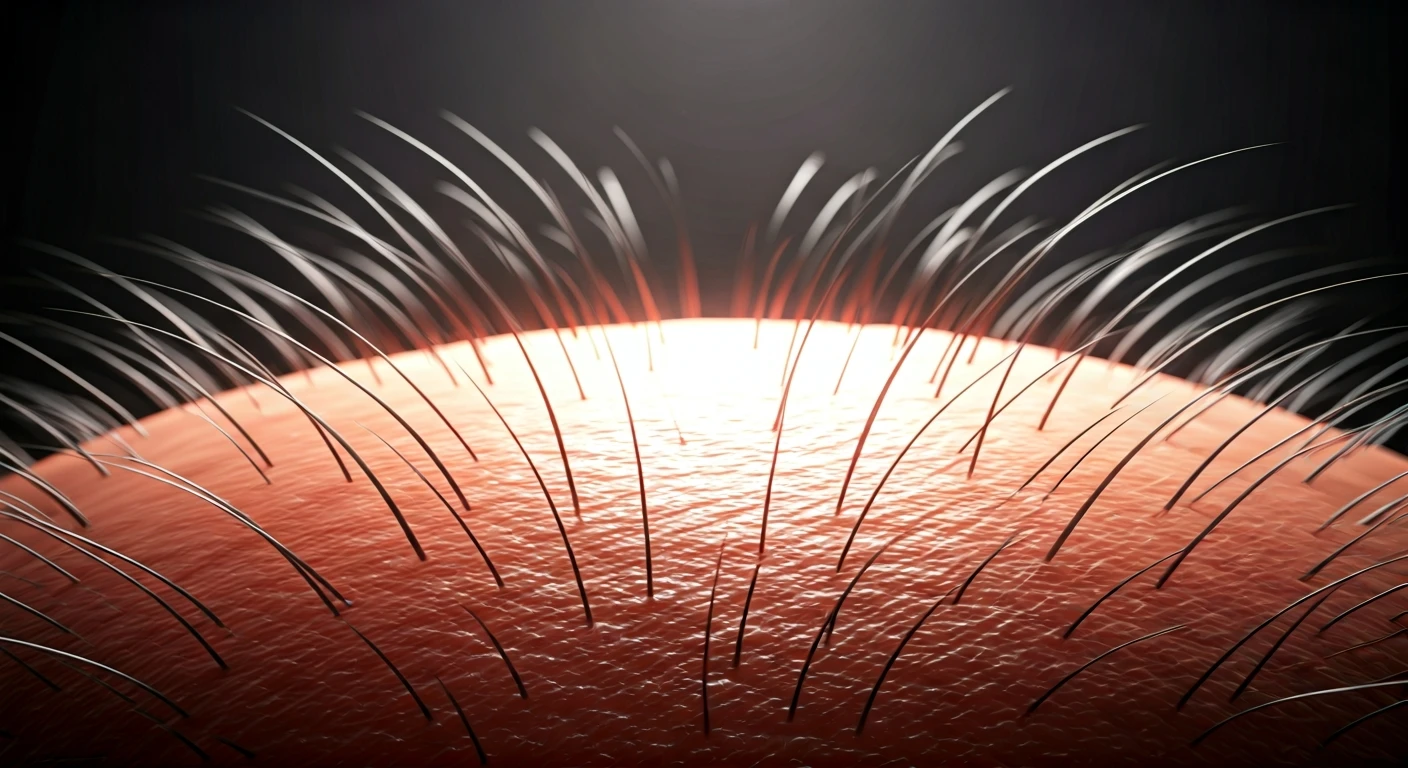
gently stimulate your scalp, you invigorate the blood vessels beneath the skin, creating a richer supply of oxygen and essential nutrients that are crucial for hair follicle health. This improved nutrient delivery can revitalize dormant follicles and promote a more robust growth cycle. Furthermore, the physical act of massaging can stretch the dermal papilla cells at the base of hair follicles. These cells play a pivotal role in hair growth, and this mechanical stimulation is thought to signal them to produce thicker, stronger hair shafts. While it's not a miraculous cure for severe baldness, this consistent stimulation offers a natural, side-effect-free approach to supporting overall hair vitality and encouraging regrowth in areas showing early signs of thinning.
Effectiveness for Bald Spots
While scalp massage isn't a magic wand that can instantly restore hair lost to advanced, permanent baldness, it serves as a potent tool, particularly for early-stage thinning and stress-related hair loss. If your hair follicles are merely resting or experiencing reduced circulation due to stress or other non-permanent factors, consistent massage can indeed help reactivate them and kickstart regrowth. For areas where follicles have been inactive for many years, the visible results might be more subtle. However, cultivating a healthy scalp environment through massage lays a crucial foundation that can amplify the effectiveness of other hair treatments. Even in challenging cases, the process of massaging itself provides a beneficial boost to scalp health without any associated risks, making it a worthwhile practice to incorporate.
Optimal Timing Strategies
The frequency of your scalp massage is significantly more important than the exact time of day you perform it. For optimal results, aim for at least four to five sessions each week; a single monthly session will yield negligible benefits. Consider incorporating the massage into your bedtime routine, as your body naturally enters a repair mode during sleep, thus amplifying the benefits. Massaging your scalp before applying hair oil can enhance product absorption, allowing beneficial ingredients to penetrate the scalp more effectively rather than just coating the hair strands. Performing the massage after showering is also advantageous, as your pores are open and your scalp is clean, creating an ideal environment for stimulation. Consistency is the true key to seeing tangible improvements in hair health and growth.
Mastering the Technique
Forget complicated gadgets; your own hands are the most effective tools for a beneficial scalp massage. Begin by ensuring your scalp is either dry or lightly oiled with a product like rosemary or jojoba oil. Crucially, use the soft pads of your fingertips, not your fingernails, to avoid causing micro-tears or damaging hair roots. Start at your hairline, employing slow, deliberate circular motions as you move towards the crown of your head and then down towards your nape. Apply pressure that is firm enough to feel the scalp moving over the bone beneath, but not so hard that it causes pain – a 'Goldilocks' balance. Dedicate at least three minutes to focusing on any thinning areas, using steady, rhythmic circles to encourage blood flow. To conclude, gently tap your scalp with your fingertips and give small sections of hair a very light tug, stimulating the nerves at the roots. Aim for a total massage duration of 10 to 15 minutes.
Enhancing with Booster Oils
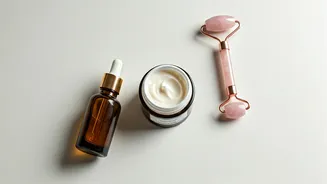
To amplify the benefits of your scalp massage, pairing it with specific oils can act like potent fertilizer for your hair follicles. Rosemary oil, currently a popular choice in hair care, has shown in some studies to be as effective as a 2% minoxidil solution for promoting early regrowth. Castor oil, though thick and potentially messy, is exceptionally nourishing for thinning patches. Onion oil, despite its strong aroma due to its high sulfur content, is highly recommended by many for its ability to reduce hair breakage. These oils, when massaged into the scalp, deliver concentrated nutrients directly to the hair roots, supporting a healthier environment for growth and strengthening existing strands.
Common Pitfalls to Avoid
Even with the best intentions, certain habits can hinder your progress with scalp massage. One common mistake is sporadic application, often referred to as being a 'weekend warrior,' where inconsistent efforts lead to minimal results. It's vital to remember that this is a long-term practice, not a quick fix. Another pitfall is applying too much pressure; if you notice increased hair shedding during the massage, it's a sign to ease up. Overusing heavy oils without proper cleansing can lead to clogged pores on your scalp, which is counterproductive to promoting healthy growth. Ensuring a clean scalp and moderate pressure are key to avoiding these common mistakes and maximizing the benefits of your massage routine.
Realistic Growth Timelines
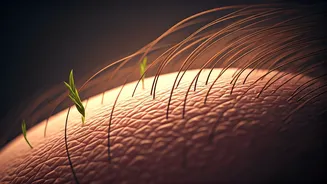
If you consistently incorporate scalp massage into your routine, you can expect to observe changes over time. In the first month, your scalp may feel less tight and dry, and you might notice a reduction in the amount of hair shed when brushing. By the second month, the hair you do have may appear glossier and more lifted at the roots. The most significant improvements, typically seen between three to six months, include the emergence of fine 'baby hairs' starting to fill in sparser areas, leading to a fuller appearance. Patience and consistent application are paramount to achieving these visible results.
Holistic Hair Health
For optimal results from scalp massage, it's important to consider your overall health and lifestyle. Hair is primarily composed of protein, so ensuring adequate protein intake is fundamental. Staying well-hydrated and managing stress levels also play crucial roles in hair health. In a world often dominated by expensive and chemical-laden solutions, the simplicity and natural efficacy of scalp massage offer a refreshing approach. It requires no financial investment, only a commitment of time and patience. While not an instant solution, it's a powerful method to take proactive control of your hair's well-being, reinforcing the age-old adage that sometimes, the most effective methods are the simplest and most traditional.