






PSLV: ISRO's Workhorse
The Polar Satellite Launch Vehicle, or PSLV, represents a pivotal achievement in the Indian Space Research Organisation's (ISRO) mission portfolio. Since
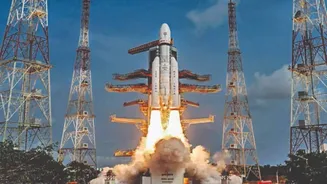
its initial launch in 1993, the PSLV has established itself as the workhorse for ISRO, consistently achieving remarkable success in placing satellites into their designated orbits. Its track record is a testament to its reliability and engineering prowess. This launch vehicle has played a crucial role in enabling India's access to space and has facilitated various scientific and technological advancements by successfully carrying numerous satellites into orbit. The PSLV's consistent performance has earned it a reputation as one of the most dependable launch vehicles globally.
High Success Rate Achieved
The PSLV's operational history is distinguished by an exceptional success rate. Statistics indicate that the PSLV has maintained an impressive success rate of over 90% since its introduction. This high success rate signifies the vehicle’s precision and dependability. The achievement is particularly noteworthy in the space launch industry, where the inherent complexities and potential risks are significant. This high degree of reliability has solidified the PSLV's position as a preferred launch vehicle for national and international payloads. Such a successful track record has helped ISRO establish itself as a trusted partner in the global space community.
Satellites Deployed Successfully
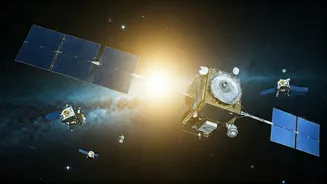
The PSLV has been used to launch a vast number of satellites into space, and the actual number of satellites placed into orbit is approaching 350. This staggering figure underlines the PSLV's capacity for deploying diverse payloads, encompassing satellites for communication, Earth observation, and scientific exploration. The success in delivering so many satellites into their intended orbits highlights the accuracy and efficiency of the PSLV's launch capabilities. These satellites, in turn, have contributed to a variety of areas, including remote sensing, meteorology, and navigation, thereby benefiting various aspects of life on Earth. The PSLV's versatility has made it suitable for launching a range of satellites, from small experimental payloads to large, complex spacecraft.
Investigation Ongoing
Despite its exceptional history, the PSLV's reliability is being continuously assessed. The recent incidents are subject to ongoing investigations. The purpose is to scrutinize every aspect of the launch process, identify root causes, and implement corrective measures to prevent future occurrences. These investigations involve meticulous examinations of all the parameters, from the engineering components to the operational procedures. The process underscores ISRO's commitment to maintaining its high standards and enhancing the dependability of the PSLV. Addressing these potential problems also reinforces the vehicle's ability to maintain its exceptional success rate and preserve its place in the global space arena.
Looking Ahead: Future Launches
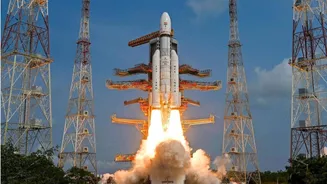
The next launch date is planned for June. This upcoming launch represents a critical opportunity for ISRO to reaffirm the reliability and the effectiveness of the PSLV. The successful execution of this mission will be vital in further bolstering confidence in the vehicle's capabilities. Each launch serves as a chance to reinforce ISRO's commitment to excellence and its pioneering role in space exploration. The attention to detail and rigorous testing performed before each launch is indicative of the continuous effort to refine and optimize the PSLV's performance, ensuring it remains at the forefront of space launch technology.