


Optimal Viewing Hours
The Eta Aquarid meteor shower is currently at its peak, promising a captivating celestial display. While observing shooting stars might seem straightforward,
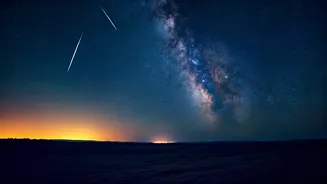
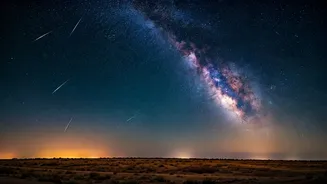
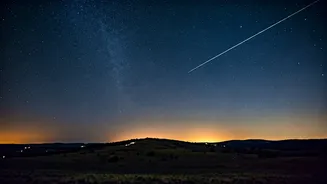
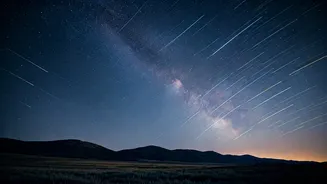
precise timing is crucial for a rewarding experience; the difference between seeing nothing and witnessing numerous meteors is surprisingly small. Although this year presents challenges for optimal viewing, experts suggest that a few well-timed observations can still yield impressive results. The most opportune moment to catch the Eta Aquarid meteors will be in the pre-dawn hours of May 6th. This necessitates being outdoors for approximately two to three hours before sunrise. During this specific timeframe, our planet is moving towards the cosmic debris trail left behind by Halley's Comet, significantly enhancing the likelihood of spotting meteors. Astronomers note that as the night progresses, the shower's radiant point, located within the Aquarius constellation, ascends higher above the horizon. By dawn, it occupies a more advantageous position for observation, leading to a greater number of visible meteors compared to late-night viewing which is considerably less productive.
Finding the Best Spot
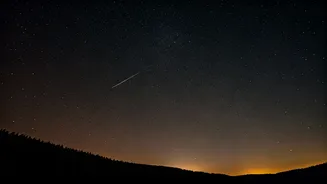
To effectively observe meteors, it's important to know where to direct your gaze. The Eta Aquarids originate from a radiant point in the constellation of Aquarius, which becomes visible in the eastern sky during the early morning hours. However, you don't need to fixate on the exact location of the radiant itself, as meteors typically streak across the sky at considerable distances from their origin. Observers are advised by experts that looking approximately 30 to 40 degrees away from the radiant can often lead to a more successful viewing experience. Furthermore, selecting a viewing location that is significantly darker than urban areas is essential. Any artificial light sources nearby can severely impede your ability to see the faint trails of meteors. It is also recommended to allow your eyes about 15 to 20 minutes to fully adjust to the darkness, a crucial step for enhancing night vision.
Visibility Challenges Explained
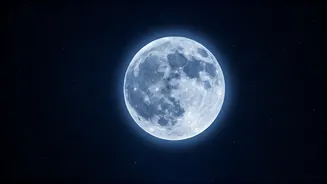
While timing is a key factor, several other elements can influence how many meteors you actually see. This year, the primary hindrance to viewing the Eta Aquarid shower is the presence of a luminous Moon. A waning gibbous moon, illuminated to 84 percent, will rise shortly after midnight and remain visible throughout the night. This adds substantial ambient light to the atmosphere, making it considerably more difficult to discern the fainter meteors. Consequently, this lunar interference may significantly reduce the number of visible meteors. While the Eta Aquarid shower is typically known for producing numerous meteors, those situated in the northern latitudes might experience a more limited display. Nevertheless, the brighter, more spectacular meteors are still likely to be visible despite these conditions.
Northern Hemisphere Expectations
This particular meteor shower offers a more advantageous viewing experience for individuals in the southern hemisphere compared to those in the northern hemisphere, largely due to superior visibility conditions in the southern parts of the globe. While an observer in the southern hemisphere might potentially witness up to 50 meteors per hour during the Eta Aquarid Meteor Shower's peak, someone in the northern hemisphere is more likely to see between 10 to 30 meteors per hour under ideal circumstances, even considering the bright moon. Despite these disparities, it can still be an enjoyable and worthwhile activity for anyone interested in observing the night sky and appreciating a celestial event.
Pre-Dawn Viewing Advantage
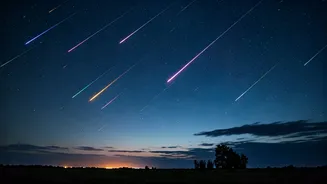
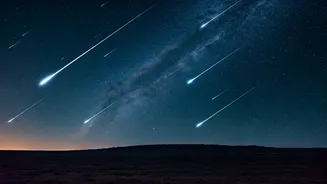
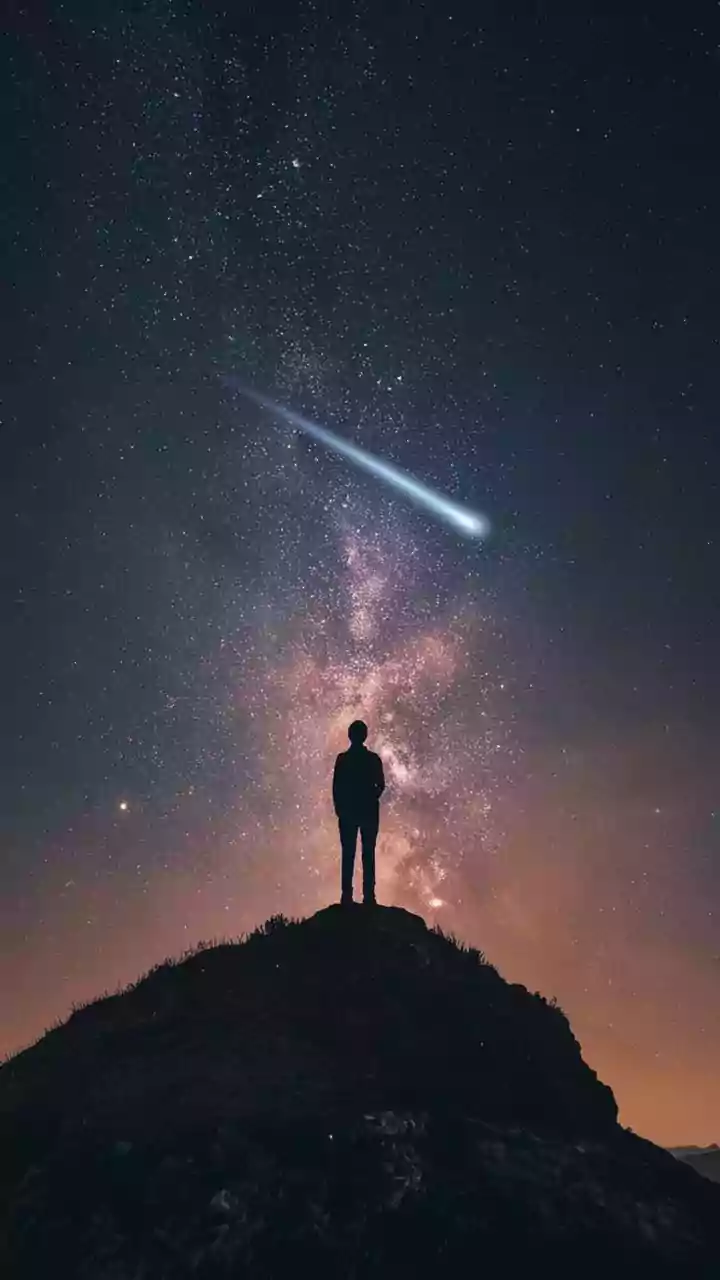
The prime opportunity to witness the Eta Aquarids in their full splendor is just before the break of dawn on May 6th. This period presents the highest probability of spotting meteors, even when conditions are not entirely perfect. Although the Eta Aquarid meteor shower may not offer a constant stream of shooting stars, it does deliver moments of breathtaking beauty. A single glimpse of a streaking meteor is often enough to create an unforgettable memory that lasts a lifetime.