





The Enchanting Phumdis
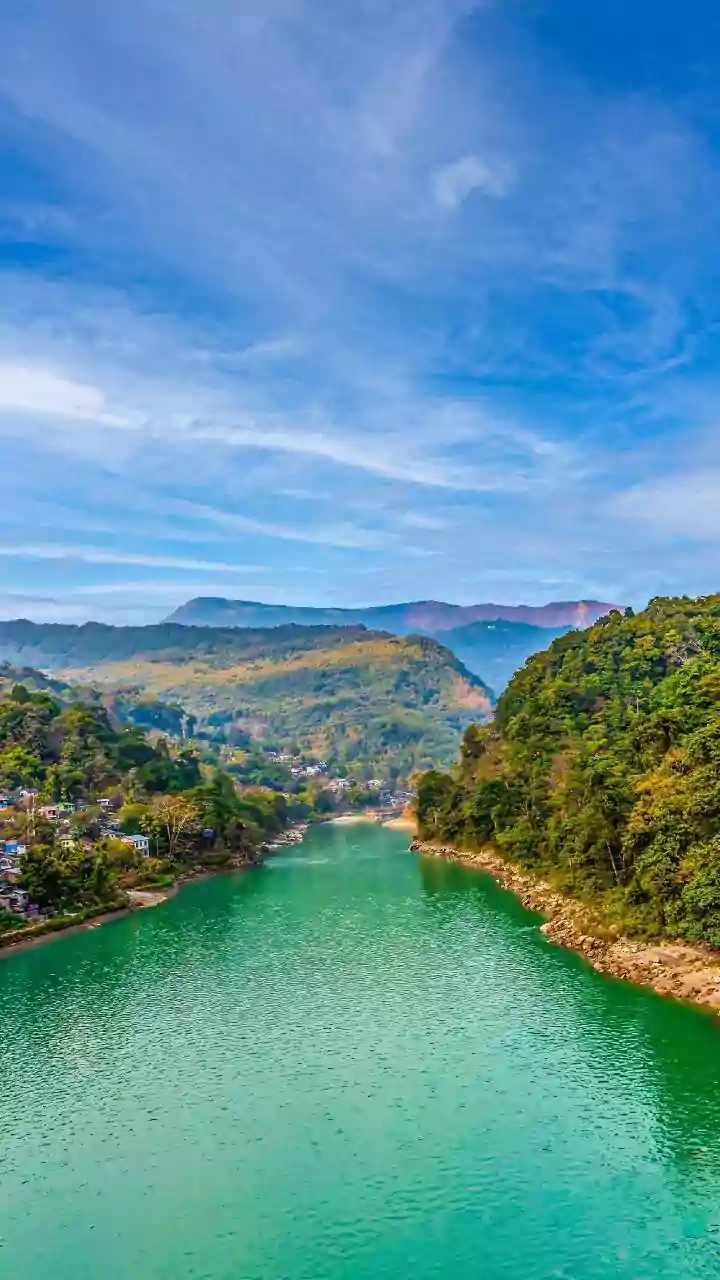
Nestled in the northeastern Indian state of Manipur lies the extraordinary Loktak Lake, a vast freshwater expanse unlike any other in the country. What
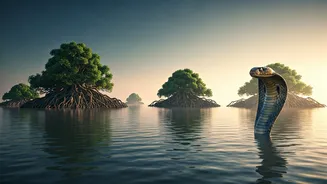
sets this lake apart are its distinctive floating islands, locally termed 'phumdis'. These are not merely patches of vegetation but substantial masses composed of soil, decaying organic matter, and plant roots, all intricately interwoven. This unique geological phenomenon creates a landscape so remarkable that it is visible even from space. The phumdis are more than just a visual spectacle; they are dynamic entities capable of floating on the lake's surface, yet sturdy enough to support human settlements, fishing shelters, and even act as habitats for animals. During drier periods, parts of these islands can submerge to absorb nutrients from the lakebed, re-emerging as the water levels rise. Scientists have long studied these formations, recognizing Loktak Lake as a globally significant wetland due to its hydrology and ecological value. The phumdis are described as a 'heterogeneous mass of vegetation, soil and organic matter at various stages of decomposition,' constantly shifting to create an ever-changing panorama across the water.
World's Sole Floating Park
Within the expansive waters of Loktak Lake resides an ecological marvel: the Keibul Lamjao National Park. This park holds the distinction of being the world's only national park that floats. It is constructed upon these very same phumdis, the buoyant masses of vegetation and organic material. This unique wetland ecosystem serves as a crucial sanctuary for a variety of wildlife, most notably the endangered Sangai deer, also known as the brow-antlered deer. The Manipur Forest Department describes this area as a 'globally unique wetland ecosystem' that provides essential grounds for migratory birds, diverse reptiles, and numerous aquatic species thriving within the lake. However, this delicate balance is under threat. Scientists have issued warnings that changes in the lake's hydrology and prevailing climatic factors could critically impact the phumdi ecosystem. If these floating islands become excessively thin, the animals that depend on them for survival could face severe endangerment. This situation has prompted numerous appeals from conservationists urging for the sustainable preservation of Loktak Lake's fragile environment.
Loktak's Serpent King
Beyond its captivating floating islands and unique national park, Loktak Lake and its surrounding wetlands are home to a truly awe-inspiring creature: the king cobra, scientifically known as *Ophiophagus hannah*. This magnificent serpent thrives in the forested and wetland environments found in parts of India and Southeast Asia. The king cobra is recognized globally as the largest venomous snake, with individuals capable of reaching lengths of up to 5.6 meters (approximately 18 feet). Despite its formidable size and potent venom, the king cobra is generally not an aggressive animal and typically avoids encounters with humans. Its role in the ecosystem is crucial; as a predator, it plays a vital part in controlling the populations of other snakes, thus maintaining ecological equilibrium. The dense vegetation and abundant water sources around Loktak Lake provide an ideal haven for reptiles, amphibians, and a multitude of aquatic creatures, contributing to the region's exceptional biodiversity. Loktak Lake truly stands out as one of India's natural wonders, a place where moving islands meet ancient, powerful wildlife.