
Duty Changes Unveiled
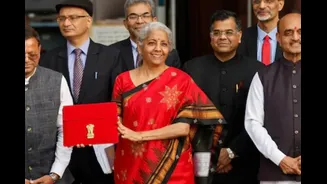
The recent budget announcements, overseen by Finance Minister Nirmala Sitharaman, have eliminated import duty exemptions on several components vital for
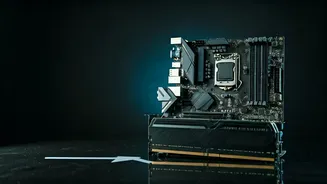
the production of video game hardware. These include essential parts such as printed circuit board assembly, camera modules, connectors, and certain mechanical parts used in the manufacturing of consoles and related accessories. Before this change, these components benefited from concessions, allowing them to enter the country without added duties. Now, manufacturers will have to pay these duties. This shift is expected to have a significant impact on the overall cost structure of the video game hardware market in India.
Impact on Consumers
The removal of import duty exemptions will likely translate to increased prices for consumers. Manufacturers and retailers, facing higher input costs due to the duties on components, may pass these added expenses on to the buyers. Gamers could find themselves paying more for the latest consoles, handheld devices, and accessories. The degree to which prices will increase is dependent on several factors, including the existing profit margins of retailers and the price sensitivity of the consumer base. The overall effect could lead to a slowdown in the sales, and potentially impact the growth of the video game market within India.
Market Dynamics at Play
The video game hardware market in India is largely dependent on imports, particularly for components. The duty changes could impact the pricing strategies employed by leading console manufacturers such as Sony, Microsoft, and Nintendo. These companies might reassess their market approach, possibly adjusting prices or re-evaluating their presence in the Indian market. In addition, smaller-scale manufacturers and distributors of gaming peripherals and accessories could be affected. Increased costs might squeeze their margins, potentially leading to fewer product offerings or adjustments in the quality and features offered to maintain profitability. The overall balance between supply and demand could see shifts influenced by these regulatory changes.
Industry Reactions and Adaptation
Stakeholders within the video game industry are likely to respond to this change by examining their supply chains and pricing models. Manufacturers may seek ways to absorb some of the increased costs or identify alternative sources for components to mitigate the impact of the import duties. There could be a push for local manufacturing or assembly, which could reduce reliance on imported components, thus lessening the impact of duties. Industry associations may also engage with the government to advocate for measures that support the growth of the gaming sector. The coming months will be critical to observe how industry players navigate these changes and how the market adapts to the new financial landscape.
Future Outlook
The long-term effects of the import duty changes are still unfolding. The extent of the price increases will determine consumer behavior and the health of the industry. The degree to which companies adjust their strategies will also play a crucial role. One possible outcome is a slowdown in the adoption of new gaming hardware, particularly among budget-conscious consumers. Alternatively, the industry might find ways to reduce the impact of these changes. Continued monitoring of sales, consumer spending, and market trends will be crucial in understanding how the video game hardware market evolves within India.