
Plaque: The Basics
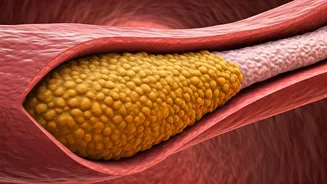
Both artery plaque and tooth plaque share a common origin: they are accumulations. Artery plaque, also known as atherosclerosis, is the buildup of substances
like cholesterol, fats, and calcium within the arteries. This accumulation hardens and narrows the arteries, restricting blood flow and potentially leading to serious cardiovascular issues such as heart attacks and strokes. Similarly, dental plaque forms on teeth as a sticky film composed of bacteria, food particles, and saliva. If not properly removed through brushing and flossing, this plaque can harden into tartar and cause gum disease and tooth decay. While different in location, both types of plaque share the fundamental characteristic of being built-up deposits that pose significant health risks if left unaddressed.
Shared Risk Factors
Several factors increase the risk of both artery plaque and tooth plaque. Lifestyle choices such as poor diet, high in processed foods, sugars, and unhealthy fats, contribute to the formation of both. The same dietary habits that can elevate cholesterol and lead to artery plaque also fuel the bacteria in the mouth, accelerating plaque formation on teeth. Smoking is another significant risk factor. It damages blood vessels and impairs immune function, thus making both plaque build-up and oral infections worse. Additionally, genetics play a role. Some people are predisposed to plaque formation due to inherited traits, influencing their susceptibility to these conditions regardless of their lifestyle. Understanding these shared risk factors is the first step toward preventive care and targeted intervention.
Oral Health Impacts
The health of your mouth can profoundly impact your overall health, specifically your cardiovascular system. Poor oral hygiene, and the resulting inflammation and infection from dental plaque, can spread throughout the body. Bacteria from infected gums can enter the bloodstream, causing systemic inflammation and potentially contributing to the development or worsening of artery plaque. Studies have shown a correlation between gum disease and an increased risk of heart disease and stroke. Chronic inflammation caused by poor oral health can also exacerbate existing conditions, making it more challenging to manage cardiovascular disease. Maintaining good oral hygiene can contribute to the overall well-being of the body.
Prevention Strategies
Preventing both artery and tooth plaque involves a multifaceted approach, starting with lifestyle adjustments. For oral health, this means practicing good dental hygiene, brushing twice a day for two minutes, flossing daily, and visiting a dentist regularly for check-ups and professional cleanings. These habits help to remove plaque before it can harden and cause problems. For cardiovascular health, dietary changes are crucial. Adopting a heart-healthy diet low in saturated and trans fats, sugars, and processed foods, can help lower cholesterol levels and reduce plaque formation in arteries. Regular physical exercise and avoiding tobacco products are also vital. In addition, managing conditions such as diabetes and hypertension is very important, as these conditions increase the risk of both plaque types. By embracing these preventive measures, one can significantly lower the risk of developing these health issues.
Expert Insights
Experts, including cardiologists and dentists, emphasize the importance of viewing oral health as an integral part of overall health. They advise patients to take a proactive approach to dental care, recognizing its potential impact on cardiovascular well-being. Regular communication between a patient's dentist and cardiologist can also be beneficial, allowing for coordinated care and early intervention if necessary. Both types of professionals emphasize the need for regular check-ups and screenings. Dentists can identify early signs of gum disease, while cardiologists can assess heart health and recommend appropriate interventions. This collaborative approach ensures that individuals receive comprehensive care, addressing both oral and cardiovascular risks holistically.