
Island Ecosystem At Risk
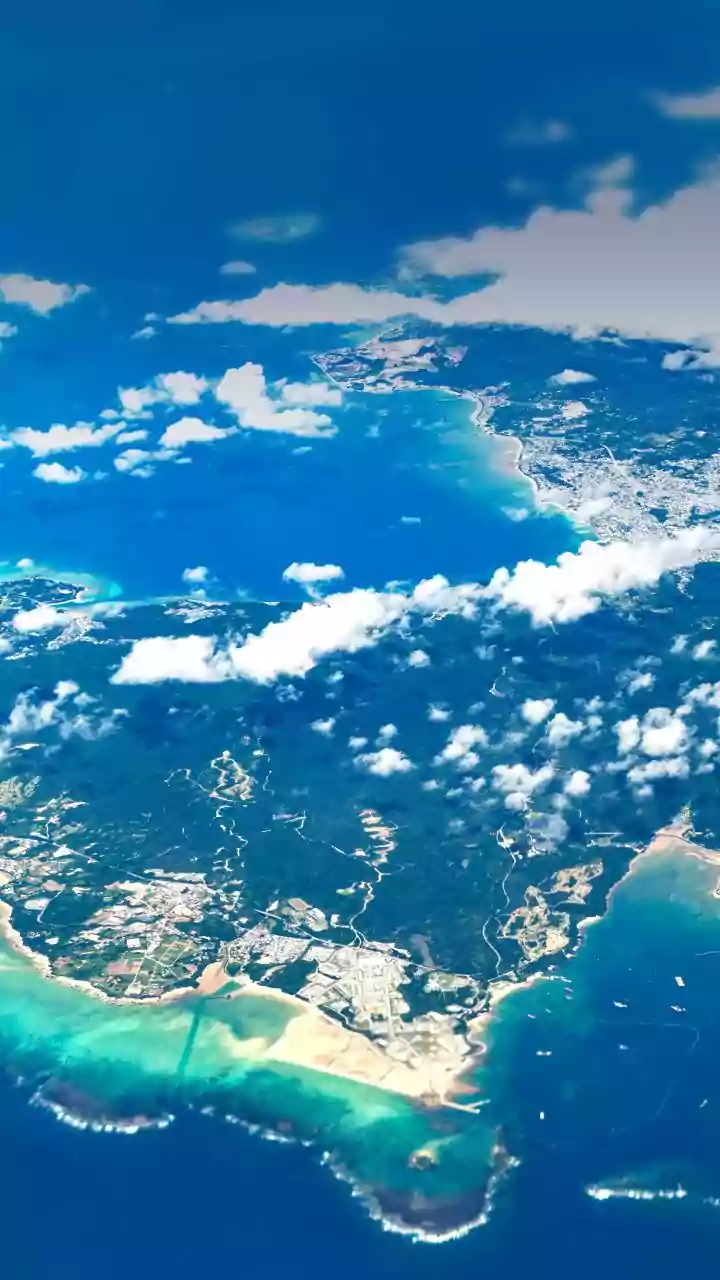
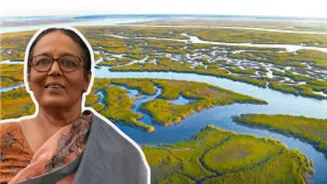
The Great Nicobar Island, characterized by its remarkable biodiversity and strategic significance, is the focus of a major development initiative. This
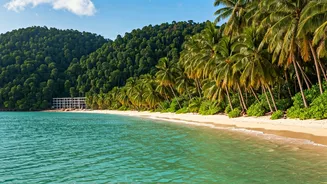
project poses considerable risks to the island's delicate ecosystem, which supports a diverse range of flora and fauna, including several endangered species. The pristine forests and unique coastal environments are particularly vulnerable to habitat destruction and pollution associated with large-scale infrastructure projects. The potential for the introduction of invasive species, the disruption of natural drainage patterns, and the overall loss of biodiversity are significant concerns. Protecting the island’s ecological integrity requires a comprehensive understanding of the environmental impacts and the implementation of robust mitigation measures. The long-term sustainability of the project depends on the effective preservation of this rich biodiversity.
Development vs Conservation
The crux of the Great Nicobar project lies in the fundamental conflict between economic development and environmental conservation. Proponents of the project emphasize the need for infrastructure development, economic growth, and improved connectivity. However, these objectives often clash with the need to protect the island’s natural resources and the livelihoods of its indigenous communities. The balance between these competing interests is extremely complex, requiring careful planning and decision-making. Environmental impact assessments, stakeholder consultations, and stringent regulatory frameworks are essential tools for navigating this challenge. Achieving a sustainable outcome will necessitate innovative approaches that prioritize both human development and ecological preservation, ensuring a balance that benefits both the environment and the people of Great Nicobar.
Impact on Indigenous Communities
The Great Nicobar project has significant implications for the indigenous communities residing on the island. These communities, with their unique cultures and traditional ways of life, are deeply connected to the island's natural environment. Large-scale development projects can displace communities, disrupt their traditional livelihoods, and erode their cultural heritage. The potential loss of access to natural resources, the impact on their health and well-being, and the threat to their social structures are all serious concerns. It is crucial to involve indigenous communities in the planning and decision-making processes, ensuring their rights and interests are protected. Sustainable development models should prioritize community participation, equitable benefit-sharing, and the preservation of cultural values, fostering a just and inclusive development trajectory.
Balancing Act: The Future
The future of the Great Nicobar project hinges on the ability to strike a harmonious balance between development aspirations and environmental protection. This requires a comprehensive and integrated approach, encompassing robust environmental assessments, stakeholder engagement, and the implementation of sustainable development practices. Mitigation measures, such as habitat restoration, pollution control, and the promotion of green infrastructure, are essential. Furthermore, the project's long-term sustainability depends on the creation of economic opportunities that benefit both the local community and promote environmental stewardship. This entails investing in sustainable tourism, eco-friendly industries, and capacity-building initiatives. By prioritizing ecological integrity, social equity, and economic viability, the Great Nicobar project can potentially serve as a model for sustainable development in the Andaman and Nicobar Islands, ensuring a prosperous future for both its people and its environment.