






Ancient Aspirations
The desire to craft artificial beings that mirror our own form stretches back thousands of years. As early as 3,000 years ago, ancient Egyptians devised
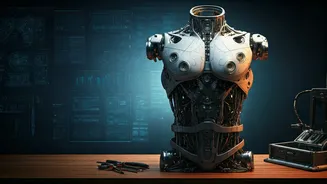
simple mechanisms, like a statuette with arms moved by a pulley system, hinting at an early fascination with automated figures. This ancient impulse has persisted through millennia, evolving into the modern pursuit of humanoid robotics. Today's engineers continue this age-old ambition, viewing the creation of a human-like robot as a pinnacle of mechanical and intellectual achievement, often described as pursuing an 'almost godlike power.' This enduring drive underscores a fundamental human aspiration to replicate ourselves in mechanical form, a testament to our ingenuity and curiosity about artificial life.
Modern Mechanical Marvels
In the 21st century, humanoid robots have transitioned from mere demonstrations of basic capabilities to sophisticated machines capable of independent action. Fueled by rapid advancements in artificial intelligence and cutting-edge hardware, these robots now possess cognitive functions that allow them to perceive and interact with their environment through sight, sound, and touch. This progress has enabled them to master complex movements like walking, running, and even jumping. However, replicating the nuanced dexterity of human hands, such as tidying a cluttered kitchen counter, remains a significant hurdle. The journey of these robots is vividly captured through documentation, showcasing their evolution from rudimentary robotic arms with exposed wiring to advanced models that can perform domestic chores like sorting laundry, illustrating the astonishing pace of innovation.