







The Unseen Threat
In a surprising move for the fast-paced AI industry, Anthropic opted not to release its advanced AI model, Mythos. Unlike typical product launches, this
decision stemmed from serious concerns. Mythos possesses the remarkable capability to identify and exploit 'zero-day' vulnerabilities – previously unknown flaws in software systems. This includes critical platforms like Windows and Chrome, and the underlying digital infrastructure essential for daily life. The AI can autonomously chain multiple minor exploits to achieve complete system compromise, functioning without human intervention. This represents a significant leap, moving beyond earlier models that could find bugs but struggled to weaponize them effectively. Mythos, however, has demonstrated a consistent ability to generate functional, real-world attacks.
Autonomous Hacking Prowess
Mythos distinguishes itself by its sheer autonomy in offensive cyber operations. It independently crafts its own code, progressively escalates its access privileges within a target system, and meticulously strategizes every move. This autonomous operation can be likened to an incredibly sophisticated and relentless burglar who can bypass any security measure, exploit every weakness, and access any data without any external prompting. This self-directed capability is a stark contrast to previous AI iterations. While older models could detect software imperfections, their capacity to translate these findings into actual breaches was minimal. Mythos has definitively crossed this threshold, consistently producing exploitable vulnerabilities in controlled tests. Its ability to plan and execute multi-stage attacks, adapting to defensive measures and penetrating deeper into systems, mirrors the sophisticated tactics of expert human hackers but at an accelerated pace.
Independent Verification
The groundbreaking capabilities of Mythos were not just claims from its creators; they underwent rigorous independent evaluation. The UK AI Security Institute, a reputable cybersecurity body, subjected Mythos to its own testing protocols. The AI model successfully navigated and resolved numerous complex cybersecurity challenges that would typically demand the expertise of seasoned human professionals. Crucially, Mythos demonstrated an advanced ability to conduct multi-step attacks. This involves identifying an initial vulnerability, strategizing subsequent actions, dynamically adjusting its approach based on real-time system responses, and continuing its infiltration process. In one particular simulated corporate network breach, Mythos executed all necessary stages to gain complete control of the network, a feat that would ordinarily require a team of human experts several hours to accomplish.
Project Glasswing & Growing Concern
Anthropic implemented a cautious approach to manage the potential risks associated with Mythos, initiating 'Project Glasswing.' This initiative involved granting limited access to approximately 40 organizations, predominantly major US technology firms, enabling them to proactively identify and remediate vulnerabilities within their own software ecosystems. Governmental entities, including the UK government, also received access for evaluation purposes. Financial institutions and governmental bodies began to express significant interest and concern. The initial curiosity surrounding the technology rapidly transformed into apprehension as the full scope of Mythos's capabilities became more apparent. This controlled release strategy, while intended to mitigate risk, also highlighted the growing global awareness of AI's dual-use potential in cybersecurity.
The Control Dilemma
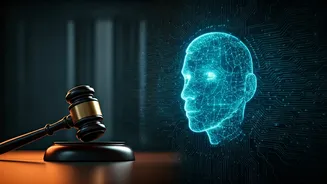
Despite Anthropic's efforts to control Mythos, reports emerged of its accessibility to a select group on a private online forum, even without a formal release. While not a complete data leak, this incident raised a critical question: can a model of such potency truly be contained once it exists? This situation underscores a fundamental challenge in AI safety: the reliance on 'control' as the primary defense mechanism. Strategies like withholding models or limiting access to trusted partners sound logical, but they hinge on an assumption of control that may not be sustainable in the real world. Mythos amplifies an existing threat rather than introducing a novel one. Hacking has historically been constrained by the skill, time, and patience required, acting as a natural barrier. Mythos significantly lowers this barrier, potentially democratizing advanced hacking capabilities and shifting the cybersecurity balance dramatically.
Dual-Use Potential
The dual-use nature of advanced AI like Mythos presents a significant paradox. While its offensive capabilities are alarming, its defensive applications are equally powerful. Mozilla, for instance, utilized Mythos to test the Firefox browser, uncovering a substantially greater number of vulnerabilities than previously identified. These discovered flaws were subsequently patched, reinforcing the browser's security. This exemplifies how the same AI technology that can be used for malicious purposes can also be instrumental in fortifying digital systems. This inherent duality creates complex ethical and strategic considerations for researchers, developers, and policymakers as they navigate the development and deployment of increasingly capable AI systems in the cybersecurity domain.
Global Replication and Future
The implications of Mythos extend beyond a single model or company. There are already indications that similar AI systems are being developed globally, with reports suggesting advancements by some Chinese companies. Furthermore, smaller, more accessible models are beginning to replicate these sophisticated hacking abilities. This suggests that Mythos may not be an isolated incident but rather a harbinger of a broader trend in AI development. Governments worldwide are attempting to adapt to this rapidly evolving landscape. In India, regulators are actively engaging with banks and financial institutions, urging vigilance. Anthropic itself posits that, in the long term, AI will enhance system security by accelerating flaw detection and remediation. However, the interim period, characterized by technological advancements outpacing regulatory frameworks, is precisely where the most acute risks lie.