





The Brewing Dilemma
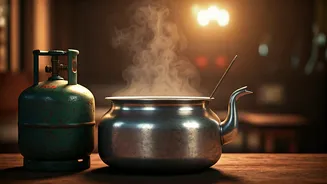
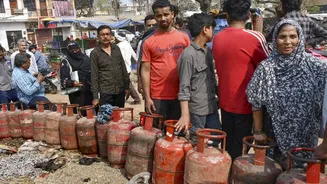
Hyderabad's cherished Irani cafés are grappling with a severe LPG supply shortage, a crisis that jeopardizes the very essence of their famous tea. The
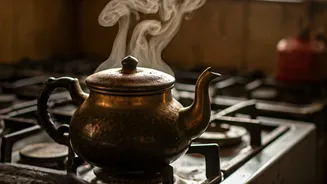
scarcity and escalating costs of cooking gas are forcing owners into a difficult corner, compelling them to question whether they can preserve the rich, slow-brewed character of their chai or if they must compromise to keep their businesses afloat. This isn't just about serving a drink; it's about safeguarding a cultural ritual deeply woven into the city's daily fabric, from dawn commuters to late-night gatherings, where the comforting aroma of simmering tea and the gentle clinking of glasses form a familiar soundtrack.
Fueling the Flavor
For larger Irani café franchises, maintaining the scale of operations while addressing the fuel crisis presents a unique set of hurdles. Samier Syed, the founder of a prominent tea store chain, highlights the immense daily milk consumption across multiple branches, totaling around 700 to 750 litres. He emphasizes the inherent risk of experimenting with alternative fuel sources like wood fire for tea brewing. Unlike dishes such as biryani or haleem, where such alternatives are more adaptable, milk requires precise temperature control. A misstep with milk could lead to the wastage of over 100 litres, a risk too significant to take. The core of the issue, Syed explains, lies in the traditional Irani chai preparation: it requires extensive simmering on a flame to achieve its signature robust 'kadak' flavor, consuming considerably more fuel than home-style teas. This prolonged boiling process is where the current fuel shortage exerts the most pressure. Some establishments are exploring induction cooktops as a partial solution, aiming for better temperature management and daily consistency. However, this shift comes with a substantial financial burden, as induction units have seen their prices skyrocket from ₹15,000–₹20,000 to as high as ₹53,000. The constant switching between LPG and induction makes preserving the chai's distinct thickness, flavour, and colour a daily, intricate balancing act.
Small Stalls, Big Challenges
For smaller, independent tea stalls, the impact of the LPG shortage is immediate and profound. Mohammed Arif, a tea stall owner in Mallepally, shares that his entire operation hinges on a single gas cylinder. Traditionally, he would maintain a slow, prolonged simmer, allowing the tea decoction to reduce and the milk to thicken, which is crucial for the characteristic strength of Irani chai. However, with the uncertainty and increased cost of LPG, this slow simmering is no longer feasible. He's been compelled to raise prices, a move that customers sometimes question, but it's a necessity given the elevated cost and intermittent availability of gas cylinders. To cope, his workaround involves preparing smaller batches more frequently. While this helps manage fuel, it inevitably alters the consistency of the chai throughout the day. Regular patrons often notice this subtle difference, commenting that the tea might be lighter or less 'kadak' than usual. This shift impacts the delicate balance of taste that customers have come to expect from their daily cup.
The Consistency Conundrum
At some cafés, the response to the dwindling LPG supply has been a strategic blend of traditional flame-based cooking and modern induction. Ali Reza, manager at a Persian café in Himayatnagar, describes the ongoing challenge of ensuring unwavering consistency from morning until night. He stresses that Irani chai cannot be rushed; both the tea decoction and milk require a controlled period of heating. To manage fuel consumption, especially during less busy hours, they've begun incorporating induction heating. While induction offers superior temperature control, Reza notes that the heat it generates differs from an open flame, affecting how it interacts with the cooking vessel. This distinction, though subtle, impacts the final texture and depth of flavour. Café staff are continuously adjusting their approach, deciding when to rely on LPG and when to switch to induction, all in an effort to keep the chai tasting familiar and satisfying for their loyal clientele. The goal is to bridge the gap between the necessity of adaptation and the preservation of a beloved taste.
Price and Palate Shifts
Across Hyderabad, a subtle yet noticeable shift in pricing has occurred, with some establishments quietly increasing the cost of a cup of Irani chai by ₹2 to ₹5. For a beverage typically associated with affordability, even this modest increase is being felt. Shaheen Fatima, a school teacher from Tolichowki, mentions that while the price hike might seem small individually, it adds up for those who enjoy chai multiple times a day. Nevertheless, for her, Irani chai remains an indispensable part of her routine, particularly during work breaks. Others, like Sneha Kulkarni, a marketing executive from Himayatnagar, emphasize that habit and taste often outweigh price concerns. She states that even a ₹5 or ₹10 increase wouldn't deter her from visiting, but she does acknowledge sensing minor variations in taste when the brewing process deviates from the norm. These observations highlight a community deeply connected to the specific qualities of Irani chai, where even small changes in preparation or cost can be perceived and discussed.