






Getting Started
Embarking on a home gardening journey begins with the right mindset and a touch of preparation. Consider the sunlight your balcony receives. Most vegetables
and herbs thrive with at least six hours of direct sunlight daily. Next, assess your space. Even a small balcony can accommodate a surprising number of plants using vertical gardening techniques, like hanging planters and stacked shelves. Research which plants grow well in your local climate. This knowledge is crucial for selecting the right seeds or seedlings. Familiarize yourself with the basics: sunlight, water, soil, and the specific needs of the plants you choose. Decide on your preferred growing method, whether it's pots, raised beds, or containers. This planning stage sets the foundation for a successful and rewarding gardening experience. Make a list of essential tools, including a trowel, hand fork, watering can, and gardening gloves.
Preparing Your Soil
The quality of your soil is paramount to the success of your kitchen garden. Start with a good potting mix, which can be easily found at your local nursery. This mix typically contains a blend of ingredients that provide nutrients, promote drainage, and maintain the right pH level for plant growth. Consider adding compost or well-rotted manure to enrich the soil further. These organic materials improve soil structure and provide essential nutrients for healthy plant development. Before planting, ensure the soil is loose and well-aerated by gently turning it with a trowel or hand fork. This allows the roots to spread easily and absorb water and nutrients. Check the soil's drainage. If water pools on the surface, add more perlite or sand to improve drainage. Proper soil preparation sets the stage for healthy plants and bountiful harvests.
Choosing Your Plants
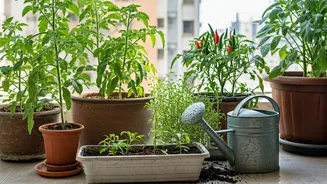
Selecting the right plants for your balcony garden is a delightful process. Consider your local climate and the amount of sunlight your balcony receives when making your choices. Herbs like basil, mint, coriander, and chives are relatively easy to grow and thrive in various conditions. Leafy greens such as spinach, lettuce, and mustard greens are excellent choices, offering quick harvests and requiring minimal space. Compact varieties of vegetables like tomatoes, chillies, and brinjal also work well in pots. Look for dwarf or bush varieties to maximize space. When buying seeds or seedlings, choose healthy plants that show no signs of pests or diseases. Start small. Begin with a few easy-to-grow plants to gain experience and confidence before expanding your garden. Local nurseries can provide advice on suitable plants for your specific location and balcony environment.
Planting and Watering
Planting is a crucial step in the gardening process. Follow the instructions on the seed packet or seedling label for spacing and depth. Gently place the seedlings into the prepared soil, ensuring the roots are well-covered. Water the plants immediately after planting to help them settle and establish their roots. Water deeply and regularly, but avoid overwatering, as this can lead to root rot. The frequency of watering depends on the weather and the needs of your plants. Check the soil moisture by inserting your finger a few inches into the soil. If it feels dry, it's time to water. Water early in the morning or late in the evening to minimize water loss through evaporation. Use a watering can or a hose with a gentle spray nozzle to avoid damaging delicate plants.
Nurturing Your Garden
Consistent care is vital to maintaining a thriving kitchen garden. Regular feeding is essential. Use a balanced liquid fertilizer every few weeks during the growing season. Follow the instructions on the fertilizer package for the correct dosage. Weed regularly to prevent competition for nutrients and water. Gently pull weeds by hand or use a small trowel to remove them. Pests and diseases can pose challenges. Inspect your plants regularly for any signs of infestation or disease. Use organic pest control methods, such as neem oil or insecticidal soap, if needed. Prune your plants regularly to promote healthy growth and increase yields. Remove any dead or yellowing leaves. Keep an eye out for any signs of trouble, and address them promptly to keep your plants happy and healthy.
Harvesting Your Bounty
Harvesting your homegrown produce is the most rewarding part of the gardening experience. Harvest herbs and leafy greens as needed. Pick tomatoes, chillies, and other vegetables when they are ripe and ready. The best time to harvest is usually in the morning when the plants are still hydrated. Use clean scissors or a knife to cut vegetables or pluck them gently from the plant. Harvest frequently to encourage continuous production. Enjoy the fruits (and vegetables!) of your labor by incorporating your fresh produce into your daily meals. Share your harvest with friends and family. A small balcony garden provides a wealth of fresh, flavorful ingredients, adding a touch of natural beauty and a sense of accomplishment to your home.