







Slumbering Mammals Explored
Many animals are known for their extended sleep duration, but several mammals, in particular, stand out for their commitment to rest. The factors contributing
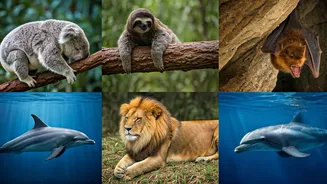
to their sleep needs vary. Diet, habitat, and even social structures can greatly impact how long they spend asleep. Let's start with the sloth, a creature synonymous with a slow-paced lifestyle. Sloths are renowned for their slow metabolism, leading to a reduced energy expenditure. This slower metabolism is accompanied by a very energy-saving lifestyle, with sleep times reaching up to 20 hours per day. They spend most of their lives hanging upside down in trees, conserving energy and avoiding predators. The sloth's slow movements further minimize energy use, making a long sleep cycle ideal. Sleep helps sloths conserve energy, process nutrients efficiently, and remain hidden from predators. The koala, another well-known sleepyhead, also clocks in an impressive sleep total. These marsupials spend around 20 hours a day sleeping, primarily to conserve energy from the tough eucalyptus leaves they eat. The leaves are difficult to digest and provide minimal energy, which necessitates extensive sleep. Koalas sleep helps them to process their low-energy diet and conserve resources. Furthermore, sleeping high in eucalyptus trees helps koalas avoid threats, such as predators and extreme temperatures.
Sleepy Birds and Marsupials
Moving on from mammals, some birds and other marsupials have incredibly long sleep hours. The owl, a nocturnal hunter, often sleeps for about 10–12 hours a day, depending on the availability of food and environmental conditions. The sleep of owls is tied to their hunting strategies, as the rest helps them to conserve the energy needed to locate prey at night. Additionally, the owl’s sleep helps them to rest and maintain their ability to hunt with precision. The echidna, a monotreme, like the platypus, displays a remarkable sleep routine, sometimes sleeping for more than 12 hours. The amount of sleep often changes depending on factors such as the ambient temperature and the availability of food. The echidna’s sleep cycle includes periods of both deep and light sleep that help them to regulate their body temperature and conserve energy. This is a crucial element for their survival in challenging environments. The next animal in this group is the brown bat, known for its extensive sleep. These bats typically spend around 20 hours per day sleeping, using their sleep to conserve energy and to digest food efficiently. This helps them to recover and to regulate their body temperature, particularly during periods of low food availability. Bats use their sleep to recuperate from the effort of finding and catching insects.
Sleep's Survival Significance
The long sleep hours of these animals emphasize sleep’s critical importance for survival. In each case, sleep is an adaptation tailored to the particular environmental and physiological challenges that they face. For instance, the slow metabolism of sloths, along with their need to hide from predators, all contribute to their long sleep duration. The energy they conserve by resting is crucial in the dense rainforest habitats in which they live. In contrast, the koala's long sleep cycles are related to the low nutritional value of their diet. Sleep enables them to conserve this crucial energy and efficiently digest eucalyptus leaves. The nocturnal behavior of the owl, and its dependence on precise hunting, also dictate its sleep patterns. The amount of time that an owl spends sleeping is used to conserve energy for hunting in the dark. Lastly, the echidna and the brown bat both show how sleep helps animals regulate body temperature and to recuperate from their nightly hunts, making sleep essential for their survival and helping them conserve energy to thrive in their respective environments.
Evolutionary Advantages of Sleep
Sleep is not just about resting; it also provides significant evolutionary benefits for the animals. These animals have adapted their sleep habits to match the specific demands of their ecosystem. The adaptation also ensures they are able to withstand dangers such as predation. Animals like the sloth have found ways to minimize the risk of being attacked while sleeping. They blend in with their environment and take cover from possible threats. Conversely, the koala's diet and environment have created a need for long sleep. This minimizes energy expenditure to help the animal survive. The owl's keen hunting skills, enhanced by a proper rest cycle, are the product of its sleep cycle. The brown bat and echidna’s need for sleep helps them in conserving energy. Sleep helps in the conservation of energy and improves the capacity for survival in their harsh environments. Each of these examples highlights how sleep, although appearing to be a passive activity, is, in fact, an active process that helps animals adapt and thrive in their environments. These animals use these unique sleep patterns for energy conservation and the avoidance of dangers, which highlights the role of sleep in evolution.
Sleep's Environmental Influence
The environment also influences the sleep patterns of these animals. Factors like climate, food availability, and the presence of predators have a significant effect on sleep. In warm climates, the echidna will change its sleep cycle, which is important for regulating their body temperature, and will often sleep longer when faced with excessive heat or cold. The koala’s need to sleep also reflects the energy-poor eucalyptus leaves that it eats. The lack of food in the environment also drives sleep duration. The environment's impact is also visible in the owl's nocturnal behaviour and sleep patterns. Owls use sleep to prepare for their hunt and to conserve energy. This pattern shows how their behaviour is dependent on food availability. Therefore, understanding the environmental context, including the presence of predators and climate conditions, helps explain the variation in the sleep cycles of these animals. Each animal has developed a set of behaviors and adaptions to enhance its chances of survival and thriving in its specific environment.