






Dynamic Exteriors Emerge
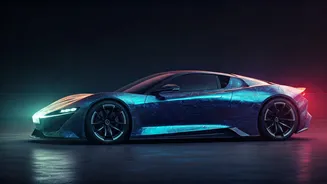
The automotive landscape is witnessing a remarkable shift towards dynamic and personalized vehicle exteriors, highlighted by a novel application of E Ink
technology. This innovative approach allows vehicles to alter their color and appearance on demand, offering a level of customization previously unimagined. Imagine a car that can adapt its visual theme to suit different moods, weather conditions, or even specific events, all controlled digitally. This isn't science fiction; it's the cutting edge of automotive design, promising a future where the car's exterior is as adaptable as its interior. This technology opens up new avenues for aesthetic expression and potentially even for advertising or safety signaling, transforming how we interact with and perceive our vehicles on a daily basis.
AI Elevates Driving Experience
The integration of artificial intelligence is rapidly redefining the in-car experience, with manufacturers now equipping vehicles with sophisticated AI systems to enhance functionality and user interaction. One significant development involves integrating powerful AI models, such as Google Gemini, into existing car systems. This upgrade allows vehicles to understand and respond to a wider range of natural language commands, manage complex tasks, and even provide proactive assistance to drivers. The goal is to create a more intuitive, personalized, and ultimately safer driving environment. These intelligent systems can learn driver preferences, optimize vehicle performance, and offer advanced connectivity features, making every journey more seamless and enjoyable, effectively turning your car into a smart assistant on wheels.
Autonomous Mobility Takes Shape
The long-anticipated arrival of autonomous ride-hailing services is inching closer to reality with significant strides in production and development. One notable example is the commencement of production for autonomous transport vehicles, signaling a pivotal moment for the future of urban mobility. The focus is on developing vehicles capable of navigating complex urban environments safely and efficiently without human intervention. These initiatives aim to revolutionize personal transportation, offering convenient, on-demand mobility solutions that could significantly reduce traffic congestion and enhance accessibility. The successful deployment of these services hinges on robust technology, stringent safety protocols, and public acceptance, marking a crucial phase in the evolution of self-driving technology.
New Models Unveiled
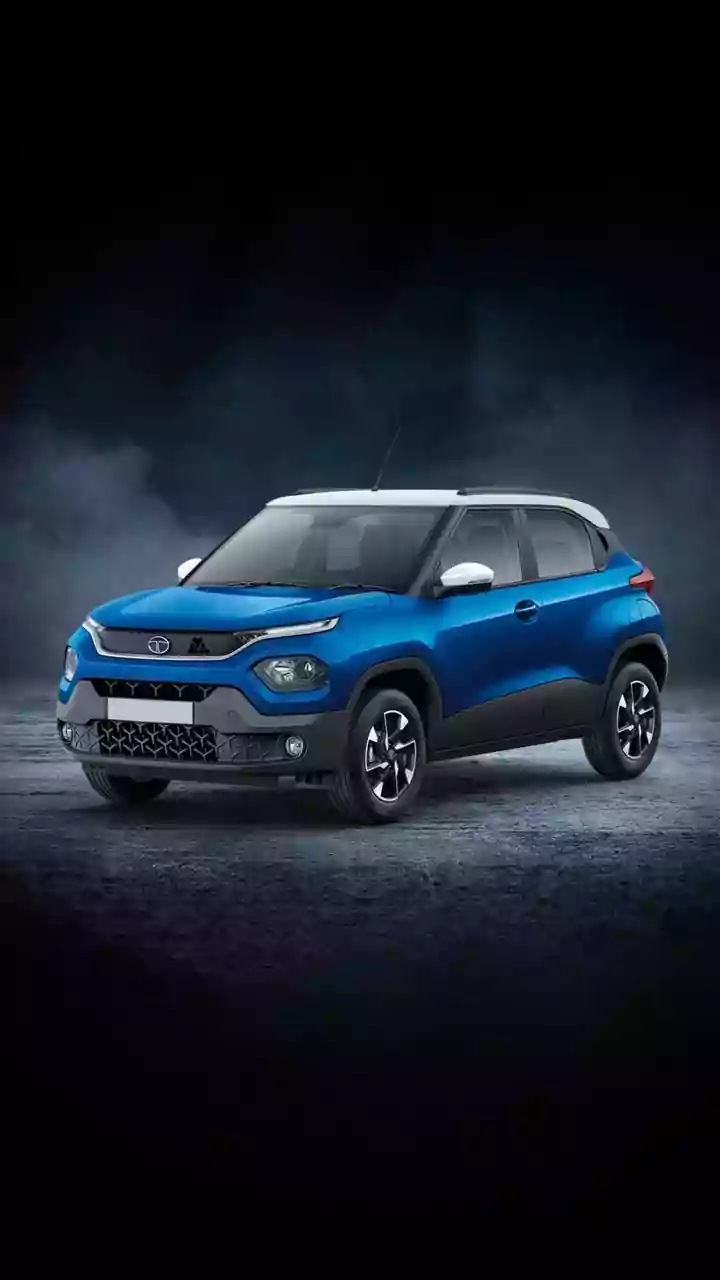
The automotive market continues to expand with the introduction of exciting new models that cater to diverse consumer needs and preferences. A particularly noteworthy debut is the official unveiling of a new electric vehicle, representing a significant development in the compact segment. This new offering aims to combine practicality with advanced electric propulsion, making sustainable transportation more accessible. The introduction of such vehicles underscores a growing commitment from manufacturers to diversify their electric lineups and appeal to a broader audience. These releases are crucial for driving mass adoption of electric vehicles and achieving broader environmental goals within the automotive industry.
Charging Incentives Offered
To encourage the adoption and use of electric vehicles, manufacturers are rolling out attractive incentives, particularly concerning charging infrastructure. In a move designed to enhance the ownership experience, specific electric vehicle models are now being offered with extended periods of free access to fast-charging networks. This initiative addresses a key concern for potential EV buyers – the availability and cost of charging. By providing a year of complimentary Supercharging, manufacturers aim to reduce the perceived barriers to electric vehicle ownership, making it more convenient and cost-effective for drivers to stay powered up on their journeys. Such promotions are vital in accelerating the transition to electric mobility.