



Nature's Colorful Call
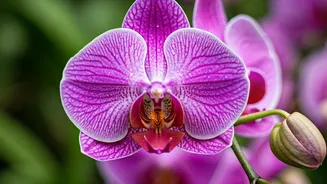
Flowers are often the most visually striking and aromatically pleasing components of a plant, and there's a compelling biological explanation for this.
The primary function of most flowering plants revolves around successful reproduction, a process that heavily depends on external agents for pollination. To ensure this vital step, plants have developed an extraordinary array of enticing floral characteristics. These include vivid colors that catch the eye and sweet, sometimes complex, fragrances that act as irresistible signals. These sensory lures are specifically designed to attract and guide essential pollinators, such as bees, butterflies, and other insects, towards the flower, facilitating the transfer of pollen and thereby enabling the plant to produce seeds and continue its lineage. This intricate relationship between flora and fauna highlights a sophisticated evolutionary strategy where the beauty of the flower is directly linked to its reproductive success.
The Pollinator Partnership
The elaborate beauty and perfumed allure of flowers are not mere aesthetic accidents; they are sophisticated evolutionary adaptations. For the vast majority of flowering plants, their very survival and the perpetuation of their species depend on external assistance for pollination. This critical process involves the transfer of pollen, typically from one flower to another, to achieve fertilization. To achieve this, plants have invested heavily in developing visually captivating petals and producing fragrant scents. These features serve as beacons, drawing in a diverse range of pollinators, from buzzing bees collecting nectar and pollen to delicately fluttering butterflies seeking sweet sustenance. The vibrant hues of a flower can signal its readiness and the presence of rewards, while its fragrance can guide pollinators from a distance. This symbiotic relationship is a cornerstone of biodiversity, where the plant's reproductive strategy is intrinsically tied to the sensory perception and foraging behaviors of its animal partners, ensuring the continuation of plant life.