







Echoes of the Abyss
In 2015, Microsoft embarked on an innovative endeavor, submerging a data center into the frigid depths of the Scottish seabed. This bold experiment, codenamed
Project Natick, aimed to leverage the ocean's natural cooling capabilities and offshore renewable energy sources for a more sustainable computing infrastructure. For a period, it offered a tantalizing glimpse into a future where data processing might extend beyond terrestrial limitations. However, by 2022, the project was quietly discontinued. Industry reports suggest that despite the technological viability of the underwater data centers, the lack of commercial interest and the associated economic impracticalities led to its abandonment. Microsoft confirmed that no underwater facilities remained operational, marking the end of a significant, albeit ultimately unsuccessful, experiment in data center deployment.
Musk's Orbital Ambitions
Elon Musk, through SpaceX, has unveiled a vision that takes data center aspirations to an entirely new dimension: space. Following a Wednesday IPO filing, Musk articulated a plan to launch a staggering one million data-center satellites into Earth's orbit. The objective is to construct a colossal AI computing network suspended above our planet, thereby circumventing the persistent constraints of power and water availability that plague terrestrial data centers. This ambitious undertaking aims to create an infrastructure immune to the environmental challenges faced by facilities on Earth, potentially unlocking new frontiers for artificial intelligence processing and accessibility. The sheer scale of this project underscores a desire to redefine the very foundations of digital infrastructure.
Space vs. Sea Challenges
Industry experts are sounding a cautionary note, drawing direct parallels between SpaceX's orbital data center dream and Microsoft's ill-fated underwater experiment. A significant concern revolves around the fundamental design of these modular units, which are inherently costly to deploy and notoriously difficult to modify, repair, or upgrade once in place. Experts like Roy Chua, founder of AvidThink, believe these inherent limitations will be exacerbated in the unforgiving environment of space. Beyond the intricate cooling requirements in a vacuum, the astronomical expense of rocket launches presents a formidable barrier. To achieve Musk's ambitious target of a million satellites, SpaceX would theoretically need to conduct approximately 3,000 Starship launches annually, equating to roughly eight launches every single day. This colossal logistical and financial undertaking highlights the profound difficulties of establishing and maintaining such an infrastructure in orbit.
Ground-Level Wisdom
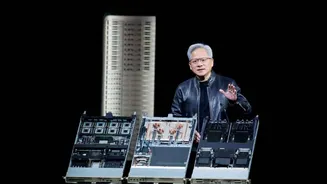
Even prominent figures in the technology sector are voicing strong reservations about the economic viability of space-based AI data centers. Jensen Huang, the CEO of Nvidia, a company at the forefront of supplying chips for advanced AI systems, has openly questioned the practicality of such ventures. In a February podcast appearance, Huang emphasized that the current economics simply do not support orbital AI infrastructure. He advocated for prioritizing development and innovation on Earth, suggesting that terrestrial solutions are far more achievable in the near term. Huang characterized the concept of AI data centers in orbit as a long-term engineering challenge, rather than an immediate or practical deployment strategy, implying that significant breakthroughs would be necessary before such a vision could become a reality.