







Accessing Ask Maps
Getting started with Google Maps' revolutionary Ask Maps feature is straightforward, provided your application is up-to-date. The first crucial step involves
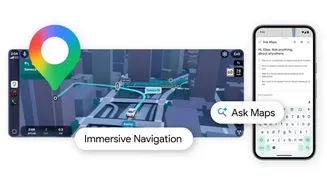
ensuring your Google Maps app is running the latest version available for your device. Once confirmed, locate the "Ask Maps" button, which is conveniently positioned directly below the main search bar within the application interface. Tapping this button initiates the conversational aspect of the feature, opening a dedicated interface where you can seamlessly input your queries either through typing or by voice command. This initial setup is designed to be intuitive, allowing users to quickly transition from a standard map search to a more interactive and intelligent query experience.
Conversational Query Power
The true innovation of Ask Maps lies in its advanced conversational capabilities, allowing you to ask questions in a natural, human-like manner, far beyond the scope of traditional search functions. Unlike previous iterations that required concise, segmented queries, Ask Maps encourages users to frame their needs as if speaking to a knowledgeable friend. This means you can combine multiple related inquiries into a single request. For instance, instead of performing separate searches for directions and nearby amenities, you can ask: "I need to travel from Point A to Point B. What's the most efficient transport option right now considering traffic, and can you suggest a good coffee shop along the route?" This integrated approach streamlines the planning process significantly by providing comprehensive answers to multifaceted questions in one go.
Planning Events Effortlessly
Beyond simple navigation, Ask Maps excels at assisting with the intricate planning of events and outings, a task that often involves sifting through numerous listings and reviews across various platforms. Imagine planning a special night out; typically, this requires extensive research to find the perfect venue. With Ask Maps, you can articulate your specific requirements concisely. For example, you could inquire: "Suggest places with excellent appetizers, offering alcoholic beverages, showing live football matches today, and having convenient parking facilities." The feature intelligently synthesizes information from real user feedback, online content, menu details, and even atmosphere-specific data like live sports broadcasts and parking availability. Furthermore, you can engage in follow-up questions, such as "Which of these options is closest to a metro station?" or "Which venue is praised for its food quality?" to further refine your choices and ensure a perfect selection.
Tailored Trip Planning
Ask Maps also demonstrates remarkable capability in personalizing trip and visit planning, taking into account the unique needs of the individuals involved. This feature moves beyond generic preferences to address specific demographic requirements, such as planning for elderly relatives or individuals with mobility concerns. For instance, if you are arranging a visit for senior citizens to your city, you might ask: "My parents, who are senior citizens, are visiting Mumbai for the first time this weekend. What are some accessible places or experiences that they can comfortably enjoy?" Ask Maps will then prioritize locations and activities that offer features like minimal walking distances, step-free access, or dedicated senior facilities, providing a level of context-aware planning that standard search tools cannot replicate. This thoughtful approach ensures a more inclusive and enjoyable experience for all.