




Beyond Wellness: Antioxidant Risks
Antioxidants are widely recognized for their health-promoting qualities, often advertised to combat chronic diseases, slow aging, and even support fertility.
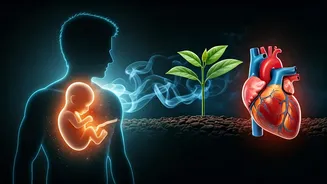
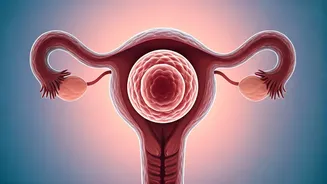
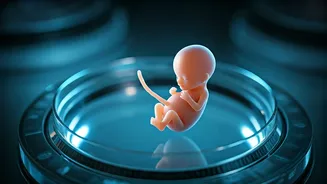
However, groundbreaking research from Texas A&M University's College of Veterinary Medicine and Biomedical Sciences indicates that consuming these compounds in excessively high quantities might inadvertently harm reproductive capabilities and affect the development of future children. The study focused on N-acetyl-L-cysteine (NAC) and selenium, two popular antioxidant supplements, revealing that when male mice were given high doses for an extended period, their offspring exhibited noticeable differences in skull and facial structure, even though the fathers themselves appeared healthy. This suggests that what is often perceived as a universally beneficial supplement could, in large amounts, disrupt crucial biological processes linked to conception and early development.
Oxidative Stress and Imbalance
NAC is frequently utilized to combat oxidative stress, a cellular condition associated with factors like heavy alcohol consumption and potentially damaging various bodily tissues. It's a common component in many nutritional supplements and multivitamins, often taken to maintain cellular health. Dr. Michael Golding's team, building on prior work linking paternal alcohol exposure to developmental issues in offspring (due to alcohol-induced oxidative stress), hypothesized that NAC and selenium could counteract these effects. Surprisingly, they discovered that NAC supplementation alone, in high doses, led to craniofacial abnormalities in the offspring of the treated male mice. This unexpected outcome highlights a critical point: while striving for balance, an overwhelming influx of a substance intended to restore equilibrium can itself create an imbalance, leading to adverse consequences. This challenges the notion that more is always better when it comes to supplements.
Sperm Health and Development
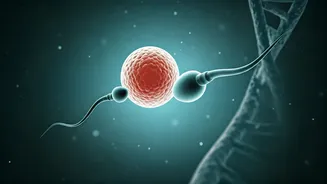
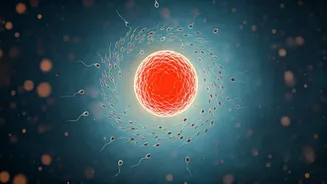
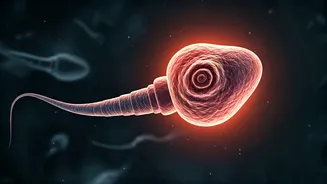
The research identified that high concentrations of antioxidants like NAC could alter sperm DNA, a crucial factor for healthy conception and fetal development. Furthermore, the physical changes observed in the offspring, specifically closer-set eyes and smaller skulls, mirror some of the characteristics associated with fetal alcohol syndrome. This connection is significant because, in pediatric medicine, facial development is closely linked to brain development, as they occur concurrently. Anomalies in facial structure can indicate underlying disruptions in brain formation. While it remains to be seen if the observed craniofacial changes in the mice translate to neurological impairments, the initial findings suggest a potential pathway through which high-dose antioxidant supplementation could compromise reproductive fitness and impact the developmental trajectory of offspring.
Dosage: The Key Determinant
This emerging field of research underscores that while antioxidants have vital roles in the body, excessive intake without a clear medical justification can disrupt fundamental biological harmony. Dr. Golding emphasizes that men planning to conceive should carefully examine the dosage information on supplement labels. Many products contain NAC and other antioxidants in amounts far exceeding the recommended daily intake, sometimes reaching 1,000% or more. The study advocates for adhering to dosages around the 100% recommended daily amount, suggesting that this range is more likely to maintain a healthy biological balance. Just as a plant needs the right amount of sun and water, human health, particularly reproductive health, thrives on equilibrium rather than an overabundance of any single nutrient.