
Solar Activity Rising
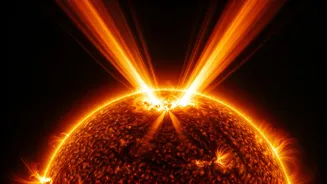
The year 2026 could bring a mesmerizing spectacle to the night skies, thanks to a surge in solar activity. Scientists predict that this period will be
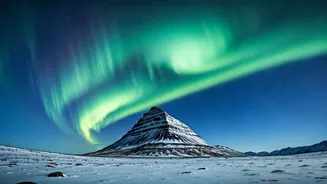
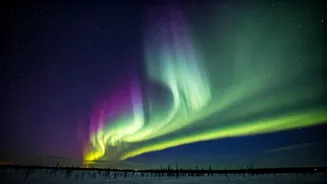
marked by increased solar flares and coronal mass ejections. These events are crucial as they hurl charged particles toward Earth. This increased activity directly correlates with the potential for more frequent and intense auroras. The intensity of solar storms plays a vital role in determining the brilliance and frequency of the Northern Lights.
Post-Solar Maximum Storms
Following the solar maximum, a period of heightened activity, the Earth could experience what’s known as post-solar maximum storms. During these events, the sun's increased activity, even after the peak, means that the charged particles are continuously emitted. Such storms are especially potent. They contribute significantly to the formation of auroras. These storms are expected to surge, which implies more opportunities to witness breathtaking light displays across the globe. This offers a higher chance of aurora sightings in areas where they aren’t typically seen.
Predicting Auroras
Forecasting auroras is a complex task, but scientists use various tools and data to provide insights. They use data from solar activity, and monitor the solar wind, which gives early indicators of possible auroral events. Geomagnetic storm watches, like those issued by NOAA, are essential. A G2 geomagnetic storm watch signifies conditions that could spark auroras. This allows people to plan and prepare for potential viewing opportunities, and understand the science behind the phenomenon. Understanding these elements can significantly improve your chances of catching the celestial light show.
Viewing Locations
The best locations for viewing the Northern Lights are typically in areas with dark skies and minimal light pollution. Northern regions, such as those in Canada, Alaska, Iceland, and Scandinavia, are prime locations. However, with increased solar activity, auroras could also be visible in more southerly locations than usual. To increase the chance of seeing the lights, it’s best to be away from city lights, and plan your viewing based on forecasts. With some planning, these stunning light displays can be enjoyed in diverse locations, bringing the beauty of space closer to people.
Impact on Satellites
While the increased solar activity brings stunning visuals, it also carries potential risks. Geomagnetic storms, which trigger auroras, can also affect technology. One area of concern is satellites, which are vulnerable to the intense radiation during these events. This may affect satellite signals, potentially disrupting communications, navigation, and other satellite-dependent services. Space weather forecasts become important to protect these valuable resources. These forecasts inform satellite operators, so they can take protective measures to minimize potential harm.
Planning for 2026
If you're eager to witness the Northern Lights, planning is key. Monitoring space weather forecasts is crucial. Checking the geomagnetic activity levels to know when the auroras are most likely to occur. It's smart to arrange trips to locations with high visibility. Many regions provide real-time aurora forecasts and alerts. Also consider the time of year, with the winter months generally offering the darkest skies and more extended viewing opportunities. With proper planning, people can ensure they are in a great position to witness the spectacle.