





AI as a Teaching Aid
The integration of artificial intelligence within educational environments is rapidly evolving, with a strong emphasis from technology providers on its
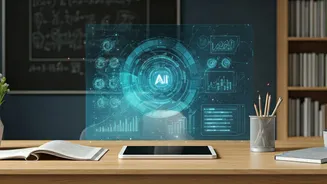
role as a supportive instrument for teachers rather than a substitute for their expertise. Companies are actively developing and deploying AI-powered tools designed to assist educators in various aspects of their teaching duties. The core philosophy behind these advancements is to equip teachers with enhanced capabilities, allowing them to focus more on the nuanced, human-centric elements of instruction. For instance, AI can manage time-consuming administrative tasks, analyze student performance data to identify learning gaps, and even help generate personalized learning materials. This approach aims to augment the teacher's existing skillset, providing them with more time to engage directly with students, foster critical thinking, and provide emotional support – aspects that are inherently human and crucial for holistic development. The goal is to create a collaborative environment where technology serves as a valuable partner, amplifying the teacher's impact and effectiveness in the classroom.
Empowering Educators with Tools
Technology companies are actively fostering deep collaborations with educational institutions and governmental bodies to ensure that AI tools are implemented effectively in classrooms. This collaborative model prioritizes a teacher-led approach, where educators are instrumental in defining how these advanced tools are utilized within their curriculum and teaching methodologies. Instead of a top-down imposition of technology, the focus is on empowering teachers to leverage AI in ways that best suit their pedagogical strategies and the specific needs of their students. This partnership is crucial for scaling personalized learning experiences and improving overall educational outcomes. For example, initiatives are underway to train a significant number of teachers on the responsible use of AI, equipping them with the knowledge and skills to integrate these tools safely and effectively. Furthermore, AI-powered platforms are being developed to offer supplementary resources like practice tests, designed in collaboration with educational content creators, to provide students with accessible learning aids.
Personalized Learning Pathways
Artificial intelligence holds immense potential to revolutionize the learning experience by enabling deeply personalized educational journeys for students. By analyzing individual learning patterns, strengths, and areas needing improvement, AI tools can tailor content, pace, and instructional methods to each student's unique needs. This moves away from a one-size-fits-all approach, allowing students to progress at their own speed and engage with material in ways that resonate best with them. Such personalized learning fosters greater student engagement and can lead to significantly improved academic outcomes. AI can also provide immediate feedback, helping students correct misconceptions quickly and reinforcing their understanding. The aim is to create a dynamic and adaptive learning environment where every student receives the support and challenges necessary to reach their full potential, all while the teacher remains the central facilitator guiding and nurturing this personalized growth.