

Cosmic Computing Initiative
Nvidia is embarking on a groundbreaking mission to extend its technological influence beyond Earth, with a clear vision of establishing data centers within
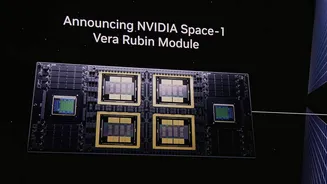
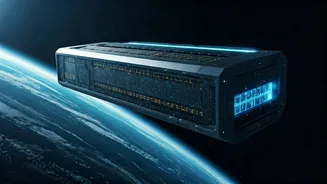
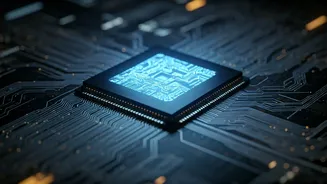
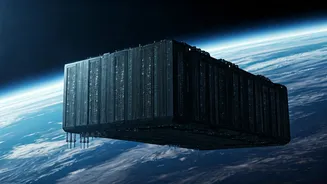
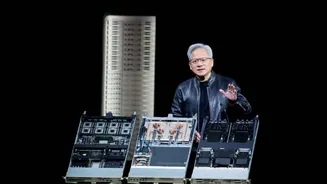
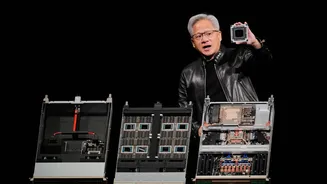
the vast expanse of outer space. This initiative, spearheaded by Nvidia's chief, involves the development of specialized modules designed to serve as foundational components for these extraterrestrial computing hubs. The company's commitment to this new frontier was underscored by the recent launch of an Nvidia graphics processing unit (GPU) into orbit by a startup named Starcloud, marking a significant off-planet debut for the technology. Building on this momentum, Nvidia is now actively designing a dedicated module, intended to be a crucial building block for future space-based data centers, signaling a bold step towards a future where artificial intelligence thrives among the stars. This endeavor aims to harness the unique opportunities presented by the space environment for advanced computational tasks and data processing.
The 'Vera Rubin' Module
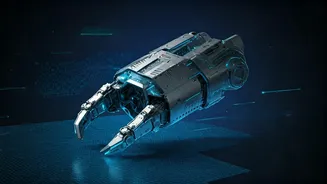
A key element in this cosmic computing strategy is the 'Vera Rubin Space One' computer, a project Nvidia is developing in collaboration with partners. This advanced module is specifically optimized for artificial intelligence workloads, promising to enable real-time sensing, sophisticated decision-making processes, and fully autonomous functioning in the space environment. The module represents a significant advancement, designed to handle the rigorous demands of space. Its development is a testament to Nvidia's dedication to pushing the boundaries of what's possible in space technology. The goal is to create a robust and powerful platform that can support a wide range of AI applications, from scientific research to exploratory missions, all while operating far from Earth. This innovation aims to redefine the capabilities of machines operating in extraterrestrial settings.
Starcloud's Cosmic Debut
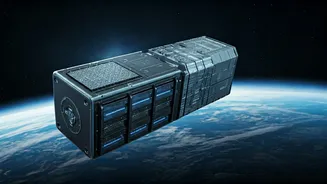
Startup Starcloud is set to play a pivotal role in this space-based computing revolution, with plans for a November satellite launch that will feature the 'cosmic debut' of Nvidia's new module. Their Starcloud-1 satellite, roughly the size of a small refrigerator, is engineered to boast an astonishing 100 times more computing power than any previous space-based operation. This significant leap in computational capacity is designed to demonstrate the viability of running complex AI applications, such as large language models, in the challenging environment of outer space. By partnering with Nvidia and utilizing their advanced GPUs, Starcloud aims to showcase the potential for powerful AI processing beyond our planet, paving the way for more sophisticated space exploration and data analysis capabilities in the future. The sheer processing power packed into this satellite underscores the ambition of this project.
The Future of Data Centers
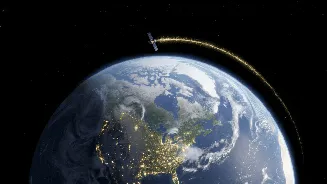
The vision for space-based data centers is not just a niche concept; it's predicted to become the norm. Philip Johnston, co-founder and chief of Starcloud, forecasts that within the next decade, nearly all newly constructed data centers will be located in outer space. This projection highlights the significant advantages space offers, particularly in terms of energy supply. By synchronizing satellites with the sun's orbit, a constant stream of sunlight can power solar panels, ensuring an uninterrupted energy source. Furthermore, establishing data centers in space bypasses the terrestrial challenges of land acquisition, complex local regulations, and potential community opposition. While significant technical hurdles, such as radiation shielding, extreme temperature management, and the risk of space debris impacts, need to be addressed, the potential benefits are driving extensive development and planning among numerous startups and major technology firms.