







Mudras and Robotics
A study conducted at the University of Maryland, Baltimore County (UMBC) has shed new light on the potential of Indian dance mudras in the field of robotics.
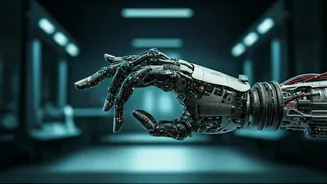
These complex hand gestures, traditionally employed in classical Indian dance forms, are being investigated for their applicability in controlling robotic hands. The research highlights the precision and nuanced movements that mudras embody. These qualities translate well into the demands of robotic control. The study explores how to translate these physical gestures into commands that robots can understand and execute. This could potentially lead to more dexterous and adaptable robotic hands, capable of performing intricate tasks with greater ease. The goal is to provide robots with a greater level of control, precision, and the ability to interact effectively with the world around them. This has exciting implications for industries like healthcare and manufacturing, where robots need to conduct complex operations.
Gesture Recognition System
The research focuses on the development of a gesture recognition system. It aims to accurately interpret the subtle movements of mudras and convert them into commands for robotic hands. The process involves sophisticated computer vision algorithms and machine learning techniques, allowing the system to differentiate between the various mudras and translate them into corresponding actions for the robot. This system can analyze the complex patterns of hand movements. By examining the position of the fingers and the overall hand shape, the system can determine which mudra is being performed. It can then generate the appropriate control signals for the robotic hand. The goal is to create a seamless and intuitive interface between human dancers and robots. The study has the potential to enhance robot capabilities and bridge the gap between human and machine interaction.
Applications and Impact
The findings from the UMBC study could lead to significant advancements in numerous areas. In healthcare, it may allow for the creation of more dexterous surgical robots. These robots could perform intricate procedures with greater accuracy and precision. In manufacturing, the technology could enhance robotic assembly lines. Robots will be able to handle delicate tasks, increasing efficiency and reducing errors. This technology might be used in the fields of prosthetics and assistive technologies. The study's implications may expand the capabilities of robotic devices. Ultimately, the integration of Indian dance mudras with robotics could lead to breakthroughs, creating more adaptable, efficient, and user-friendly robots. The study demonstrates the cross-disciplinary potential that is present, bringing art and science together.