







The Boycott Proposal
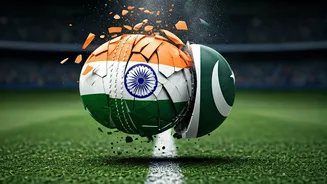
The decision by Pakistan to potentially boycott a T20 World Cup match against India has caused many discussions within the sporting world. This possible
action is not an isolated event but is considered within the context of the relationship between the two nations. The history of tensions and disagreements between India and Pakistan has often spilled over into sports, which leads to calls for boycotts and other actions. When such actions occur, it is a complicated mix of politics and sports. The situation has many aspects that must be addressed, like the potential repercussions for the teams, the fans, and the larger context of international sporting events.
Justification Arguments
One of the most important arguments that Pakistan could use to defend a boycott is the political climate between the two countries. The core of this is based on diplomatic incidents and disputes. This includes conflicts that might be seen as actions that are unfair or that compromise the security and rights of the nation. It is often believed by many that international sporting events should not be a venue for such political conflicts. It's often argued that participating in an event normalizes relationships with a nation that has disagreements with the country. Those who support the boycott sometimes see it as a form of protest. This is used in an effort to bring awareness to the global community, hoping that this will lead to action.
Counterarguments Analysis
There are compelling reasons to not boycott the match as well. Sports can often bridge divides. Participating is an opportunity to showcase their talent on the world stage, build the morale of the nation, and offer a positive image. Boycotts often have negative effects. They could be detrimental to a team, affecting player morale, and creating isolation. Additionally, a boycott could be viewed as a sign of weakness, rather than a strong statement. The opposing perspective is that sports can provide a platform for dialogue. It can bring people together and open channels for communication, even when political tensions are high. Sports are a source of entertainment and national pride, and boycotting an event might disappoint fans and limit the opportunity for sports development.
Political Ramifications
Pakistan’s actions will probably have wider political consequences. It will influence international relations and set precedents for how sports and politics intersect. The decision will definitely be noticed by other nations and international organizations. They will be observing how such actions can impact the integrity of sports and the relationships between nations. If the boycott is carried out, it could cause further diplomatic tensions. This could result in countermeasures from India and a worsening of the relationship between the two countries. Alternatively, if a boycott is avoided, it could be viewed as a sign of a commitment to peaceful relations. This may improve diplomatic relations and encourage dialogue between the two nations.
The World Cup Impact
The T20 World Cup itself would feel the impact if Pakistan were to boycott the match. The absence of one of the competing teams would affect the competitiveness and excitement of the tournament. The match between India and Pakistan is often the most highly anticipated, and a boycott would disappoint many viewers worldwide, as this match attracts millions. Sponsors and organizers will face financial implications. This impacts the revenue and the overall success of the event. It can damage the reputation of the tournament and lead to a re-evaluation of security protocols. To ensure that future events are able to withstand political tensions.
Balancing Act
In the end, Pakistan's decision on the T20 World Cup match presents a complex situation. The justification for a boycott must be weighed carefully against the possible negative effects. The choice to boycott involves balancing national pride and international relations. The decision must also consider the impact on sports fans and the overall integrity of the tournament. The situation calls for thoughtful consideration of all perspectives and the long-term impact on the relationship between India and Pakistan. It also takes into account the wider implications for international sports and diplomacy.