






Domestic Fares Surge
Indian travellers are facing a steep increase in airfares this summer, particularly for domestic routes to popular cooler destinations. Flights to Leh
have seen an astonishing rise of approximately 74% compared to the previous year, making it one of the most expensive domestic routes. Similarly, destinations like Srinagar and Shimla are witnessing fare hikes ranging from 60% to 68%. Despite these elevated prices, demand for these picturesque hill stations remains robust. Data indicates a notable 38% year-on-year increase in bookings for routes leading to summer vacation spots. Popular choices include Bengaluru to Coorg and Kodaikanal, and Delhi to Nainital, which have experienced substantial booking activity. Coorg, in particular, has been a massive draw, with forward bookings for May climbing by an impressive 115% compared to last year. The Northeast region is also experiencing a renaissance in tourism, with cities like Shillong, Guwahati, Imphal, and Dimapur attracting more visitors.
International Costs Rise
The trend of increasing airfares isn't limited to domestic travel; international routes are also significantly more expensive this summer. Journeys to European hubs like London and Paris are now costing around 53% more than they did last year. Travel to Sydney has also seen a substantial increase of 38%. Popular Asian destinations such as Singapore and Thailand are also not spared, with ticket prices soaring by over 40% compared to the same period in the preceding year. A primary driver behind this widespread fare escalation is the sharp increase in aviation fuel costs. Global jet fuel prices have seen a dramatic surge, nearly doubling from approximately $99.40 per barrel in late February to $179.46 per barrel by late April, representing an increase of close to 80%. Furthermore, airlines are navigating operational complexities arising from geopolitical tensions in West Asia, leading to airspace restrictions and the necessity of longer, rerouted flight paths. These extended journeys inherently consume more fuel and escalate operational expenditures. Adding to the burden, India has also implemented a 5% increase in aviation turbine fuel prices for international routes, further impacting airline cost structures.
Capacity Cuts Impact
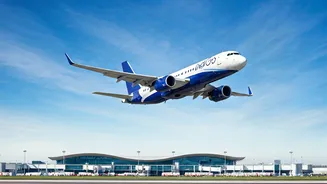
Compounding the issue of rising operational costs, a reduction in flight availability has further intensified the pressure on airfares. Airlines have strategically scaled back their capacity, leading to fewer seats on offer. For instance, IndiGo, a major carrier, reduced its international seat capacity by 17% in May when compared to February levels. Air India is also anticipated to ground a significant number of flights, potentially around 100 daily across both domestic and international networks. These cuts are expected to be more pronounced on routes connecting India with key regions like Europe, North America, Australia, and Singapore. Consequently, many travellers are reconsidering their ambitious long-haul holiday plans. They are increasingly pivoting towards shorter, more economical international excursions to destinations such as Thailand, Vietnam, Sri Lanka, Nepal, and Malaysia, where travel expenses remain comparatively manageable. Despite the substantial fare hikes, the overall trend of advance summer bookings indicates a resilient demand for leisure travel, with bookings reportedly running 20-25% higher than typical seasonal averages.