



The Fuel Price Puzzle
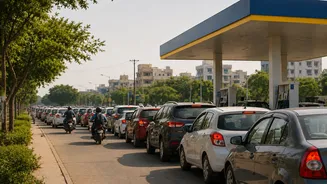
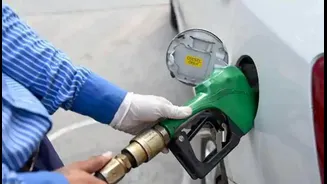
Global fuel prices are unpredictable, impacting your wallet with every fill-up. Electricity tariffs are also on an upward trend, and even the humble LPG
cylinder is subject to international market fluctuations. This creates significant uncertainty for household budgets. While government policies have offered some stability, a prolonged period of geopolitical tension or supply chain disruptions could lead to substantial increases. For instance, a mere Rs. 4-5 per litre rise in petrol or diesel could add thousands to annual fuel expenses. This volatility highlights the urgent need for proactive measures to safeguard your finances against escalating energy costs. Exploring alternatives that offer more predictable and potentially lower running expenses is becoming increasingly crucial for financial resilience.
Electric Vehicles: A Smarter Drive
Electric vehicles (EVs) present a compelling alternative to rising fuel costs, particularly for those with daily commutes. The cost per kilometre for EVs is significantly lower than for petrol or diesel cars. While a petrol car might cost around Rs. 6.6 per km, an EV can cost as little as Rs. 1.2 per km when charged at home, primarily due to lower electricity tariffs compared to fuel prices. This translates to substantial annual savings, especially for high-mileage users. Furthermore, EVs boast lower maintenance costs due to fewer moving parts, potentially reducing servicing expenses by half. Government incentives and subsidies are also making EVs more accessible, lowering the initial purchase price. However, potential buyers should consider the charging infrastructure availability, insurance premiums, and the long-term aspect of battery health and replacement costs, though warranties often mitigate immediate concerns.
Retrofitting: An Affordable Switch
For those hesitant about the upfront cost of a new EV, retrofitting an existing internal combustion engine (ICE) vehicle into an electric one offers a more budget-friendly entry into electric mobility. This process can cost significantly less than purchasing a new EV, with prices ranging from Rs. 3-6 lakh for small cars compared to Rs. 10-15 lakh or more for a new model. The per-kilometre savings can be substantial, potentially leading to a payback period of just 18-30 months for frequent drivers. This makes retrofitting a practical option for reducing running costs without the commitment of buying a new vehicle, especially for city-centric daily travel. It's crucial, however, to ensure that only government-approved kits are used and that all necessary approvals from Regional Transport Offices (RTOs) are obtained to comply with safety standards and ensure legal operation.
Rooftop Solar: Harnessing Sunshine
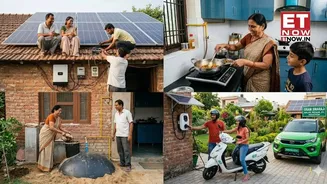
Installing rooftop solar panels is a powerful strategy to combat rising electricity bills and achieve greater energy independence. While the upfront investment for a 3 kW system can range from approximately Rs. 1.5 lakh to Rs. 2.2 lakh (Rs. 1.8 lakh for a 3.3 kW system as per one example), government subsidies can significantly reduce this cost to around Rs. 1.1-1.2 lakh. Once installed, the maintenance is minimal, primarily involving regular cleaning to maintain efficiency. Solar systems generate electricity throughout the day, and under net metering arrangements, any surplus power is fed back into the grid, earning credits that can offset future bills. This can lead to zero electricity bills in low-consumption months and even generate income. With a typical payback period of 4-5 years for some users, rooftop solar offers long-term savings and protection against future tariff hikes, providing a predictable and renewable energy source.
Solar System Choices Explained
Understanding the different types of solar systems is key to choosing the best fit for your needs. On-grid systems, the most common for urban homes, connect directly to the utility grid. During daylight hours, your home uses solar power, and any excess is sent to the grid, earning you credits through net metering. When solar generation is insufficient, power is drawn from the grid. A crucial safety feature of on-grid systems is that they automatically shut down during a power outage to protect utility workers. Off-grid systems, conversely, operate independently of the utility grid, relying solely on solar power stored in batteries. These are ideal for remote locations but come with the added expense and complexity of battery management. Hybrid systems offer a balance, connecting to the grid for net metering benefits while also incorporating battery backup for power during outages. While hybrid systems provide the most comprehensive solution, the added cost of batteries means they are often more suited to areas with frequent power cuts or for users prioritizing energy security over maximum cost savings.
The Induction Cooktop Advantage
While attention often focuses on fuel and electricity bills, cooking expenses also contribute significantly to household energy costs. LPG, a primary cooking fuel, is susceptible to global price volatility. Diversifying cooking methods by incorporating electric alternatives like induction cooktops can offer a partial hedge against these fluctuations. Induction cooking is highly energy-efficient as it directly heats cookware, minimizing heat loss compared to gas flames. This can lead to faster cooking times and reduced energy consumption. Although induction cooktops may have a slightly higher initial cost than basic gas stoves, their efficiency can lead to considerable long-term savings on energy bills, potentially reducing cooking energy costs by up to 50% compared to electric resistance cookers. While not a complete replacement for gas for all traditional cooking methods, a gradual shift towards induction can help manage LPG consumption and delay refills, providing a practical strategy for budget-conscious households.