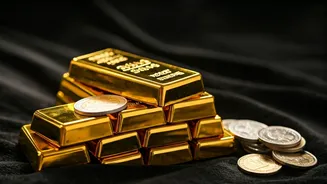

Record Highs Achieved
The gold market in India experienced a remarkable surge on January 14th, with both gold and silver prices touching all-time highs. This significant shift
in the market dynamics indicates a growing interest in these precious metals as investment assets. Such a trend is usually influenced by a multitude of economic factors, global uncertainties, and fluctuations in currency exchange rates, all of which contribute to the upward trajectory of gold and silver prices. The day’s performance serves as a testament to the enduring appeal of gold and silver as safe-haven assets, especially during periods of economic volatility and instability. Investors often turn to these metals to preserve their wealth, which, in turn, fuels the demand and pushes the prices to new peaks. Further analysis of this particular day's trading patterns can offer valuable insights into the factors that are driving these price movements, and how these could shape future investment strategies.
Mumbai Gold Rates
In Mumbai, the financial hub of India, the price of 24-carat gold on January 14th showed a noticeable increase, reaching Rs 1,43,620 for every 10 grams. At the same time, the rate for 22-carat gold in the city stood at Rs 1,31,650 per 10 grams. These figures reflect the market's response to various economic indicators and global trends. The prices in Mumbai are reflective of the broader market sentiments. The city's status as a major trading center plays a crucial role in determining these prices, as it acts as a barometer for market demand. The fluctuations in gold prices are usually closely observed by investors and consumers alike, since they directly impact investment decisions and purchasing behavior. Comparing these rates to those in other metropolitan cities will give a clearer view of the price trends and investment opportunities in the Indian gold market. Understanding these prices is crucial for anyone planning to buy or sell gold.