
A Srinagar Icon
Dal Lake is undoubtedly Srinagar's most famous landmark. The lake, nestled in the heart of the city, is a sight to behold, captivating visitors with its
stunning natural beauty. Surrounded by the majestic Himalayas, it offers an unparalleled experience. It has a rich history, with evidence of human settlement dating back centuries. Dal Lake is more than just a body of water; it's a vital part of the local culture and economy. It is a source of livelihood for many, and it also supports a diverse ecosystem. The lake's significance extends beyond its visual appeal; it is deeply interwoven with the traditions and daily life of the people of Srinagar, making it a cultural treasure.
Houseboats and Shikaras
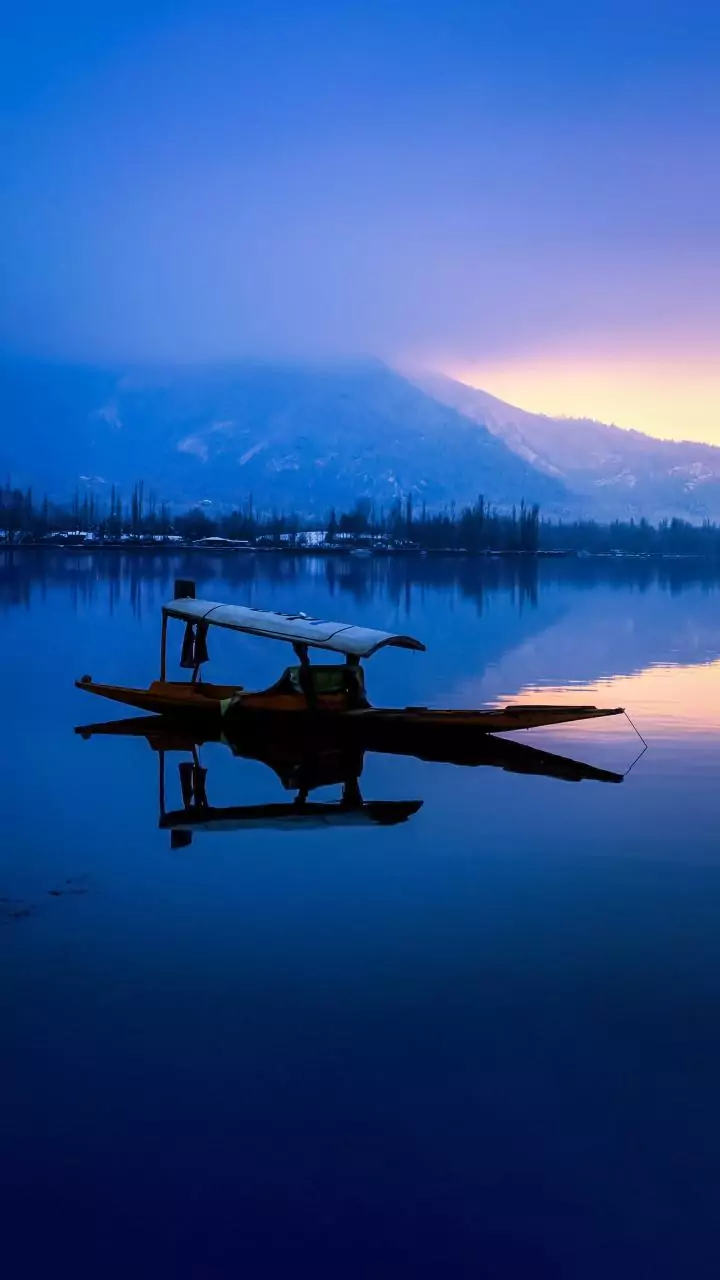
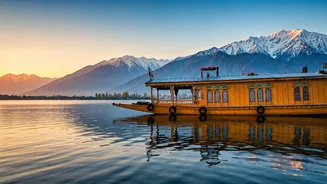
One of the key attractions of Dal Lake is its collection of houseboats. These floating accommodations, known as 'houseboats,' offer visitors a unique and memorable stay, creating an immersive experience on the water. Many houseboats are elaborately decorated, featuring intricate woodwork and offering panoramic views of the lake. Another iconic aspect of Dal Lake is the shikara. Shikaras are traditional wooden boats used for transport, recreation, and trading. They are commonly used to navigate the lake and are often a means for tourists to explore the waters. Shikara rides offer a chance to view the floating gardens, the bustling markets, and the surrounding mountains. The use of houseboats and shikaras makes Dal Lake a distinctive destination, a blend of beauty and cultural immersion.
Floating Gardens
Dal Lake is renowned for its 'floating gardens,' known locally as 'Rad.' These unique gardens are made up of interwoven vegetation that floats on the lake's surface, creating a vibrant ecosystem. Local farmers grow vegetables and flowers on these floating platforms, which adds to the lake's visual appeal. The floating gardens provide a significant source of income for many local residents, showcasing their expertise. These unique gardens are a prime example of the innovative use of the lake's resources. The floating gardens also attract a variety of birdlife, and a variety of aquatic plants that contribute to the overall biodiversity of the lake.
Environmental Challenges
Dal Lake, despite its beauty, faces significant environmental challenges. Pollution is a major concern, with sewage and waste entering the lake, impacting its water quality. The rapid population growth in the surrounding areas and the increase in tourism have placed immense pressure on the lake's ecosystem. Excessive weed growth also poses a serious threat. These weeds can choke the lake, decreasing the amount of water available and harming aquatic life. Various efforts have been made to conserve the lake, including pollution control measures, and weed removal programs. Successfully preserving Dal Lake requires the cooperation of the local community, the government, and the tourism industry.
Experiencing Dal Lake
Visiting Dal Lake is a memorable experience, offering a range of activities. Taking a shikara ride at sunrise or sunset offers breathtaking views of the lake and surrounding mountains. Staying on a houseboat gives visitors a unique cultural perspective. Visiting the floating markets gives a glimpse of daily life. The lake is especially vibrant during festivals and events. Travelers can explore the local crafts, visit the Mughal Gardens, or simply relax. Planning a trip to Dal Lake requires respect for the environment. By embracing responsible tourism, visitors can contribute to the preservation of this natural wonder for future generations. Dal Lake offers a truly immersive experience.