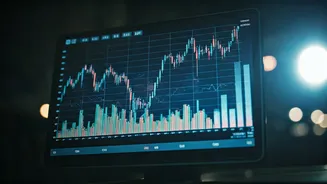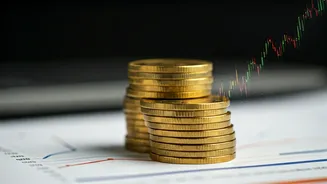

Market Price Fluctuations
Gold and silver rates in India are constantly in flux, shaped by various interconnected elements. One primary driver is the global market; international
spot prices significantly influence domestic rates. Moreover, the exchange rate between the Indian Rupee and the US Dollar plays a pivotal role. A weaker rupee often translates to higher prices for gold and silver, as imports become more expensive. Demand and supply dynamics within India also affect prices. Festive seasons, like the wedding season, traditionally see a surge in demand, which can lead to price increases if supply cannot keep pace. Conversely, periods of reduced demand might lead to a price stabilization or decrease. Traders, therefore, carefully monitor these global and local dynamics to make informed decisions and predict future price movements.
Import Duty Impacts
Import duties levied on gold and silver significantly impact their prices in India. Government policies, especially those related to import taxes, can substantially influence the cost of these precious metals for consumers. Any adjustment in import duties can result in an immediate shift in the retail prices of gold and silver. A hike in import duties generally makes gold and silver more expensive, as it increases the overall cost of importing these metals into the country. Conversely, a reduction in import duties can provide some relief to consumers by lowering prices. Therefore, discussions and speculations surrounding potential changes to import duties, particularly ahead of budget announcements, are closely followed by market participants and can drive price volatility. The budget announcements are of particular significance.
Factors Affecting Rates
Multiple factors beyond import duties and global spot prices affect gold and silver rates. Economic indicators, such as inflation rates, are pivotal. When inflation rises, investors often turn to gold and silver as safe-haven assets, which boosts their demand and prices. Additionally, changes in interest rates can indirectly affect the price of gold and silver. When interest rates rise, the opportunity cost of holding non-yielding assets like gold increases, potentially reducing demand. Investor sentiment also plays a significant role; positive or negative news regarding the economy, political stability, and global events can significantly sway market behavior. Furthermore, the availability of gold and silver in the market, including both physical supply and availability of financial instruments like ETFs, contributes to price discovery. Finally, currency fluctuations, the strength or weakness of the Rupee relative to other currencies, especially the Dollar, can drive price changes.
Budget Impact Speculation
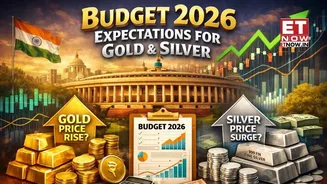
Ahead of the budget announcement, discussions often arise regarding potential changes to import duties. This speculation causes uncertainty and can lead to short-term price fluctuations. Traders and investors closely monitor any hints or signals from government officials or industry experts about possible duty adjustments. A perceived likelihood of an import duty hike can prompt a preemptive price increase, as traders anticipate higher costs. Conversely, expectation of a duty reduction might lead to price stabilization or a modest decrease. Therefore, the period leading up to the budget is marked by heightened market activity and increased sensitivity to any related news. The actual announcements can trigger abrupt shifts in prices, creating opportunities for informed traders and potential challenges for those unprepared for the developments.
Investor Strategies
Investors in gold and silver need to carefully consider different strategies to manage their investments. One approach involves diversifying portfolios to reduce risk. This means not putting all investment capital into a single asset; instead, allocating funds across various asset classes, including gold and silver, can improve long-term financial outcomes. Another consideration is understanding market trends. Constantly monitoring global market movements, economic indicators, and government policies can help investors make more informed decisions. Finally, investors need to have a long-term perspective. Gold and silver are often viewed as assets that offer stability over longer periods. Therefore, adopting a buy-and-hold strategy, rather than trying to time the market perfectly, can be beneficial.