





Sudden Price Surge
A recent nationwide survey has revealed a stark reality for millions across India: their go-to affordable meals are becoming notably more expensive. Over
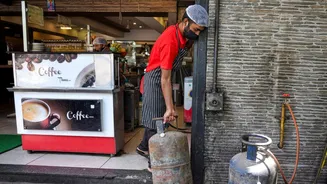
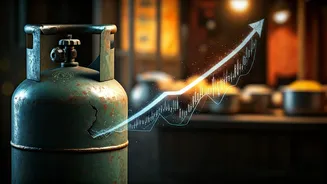
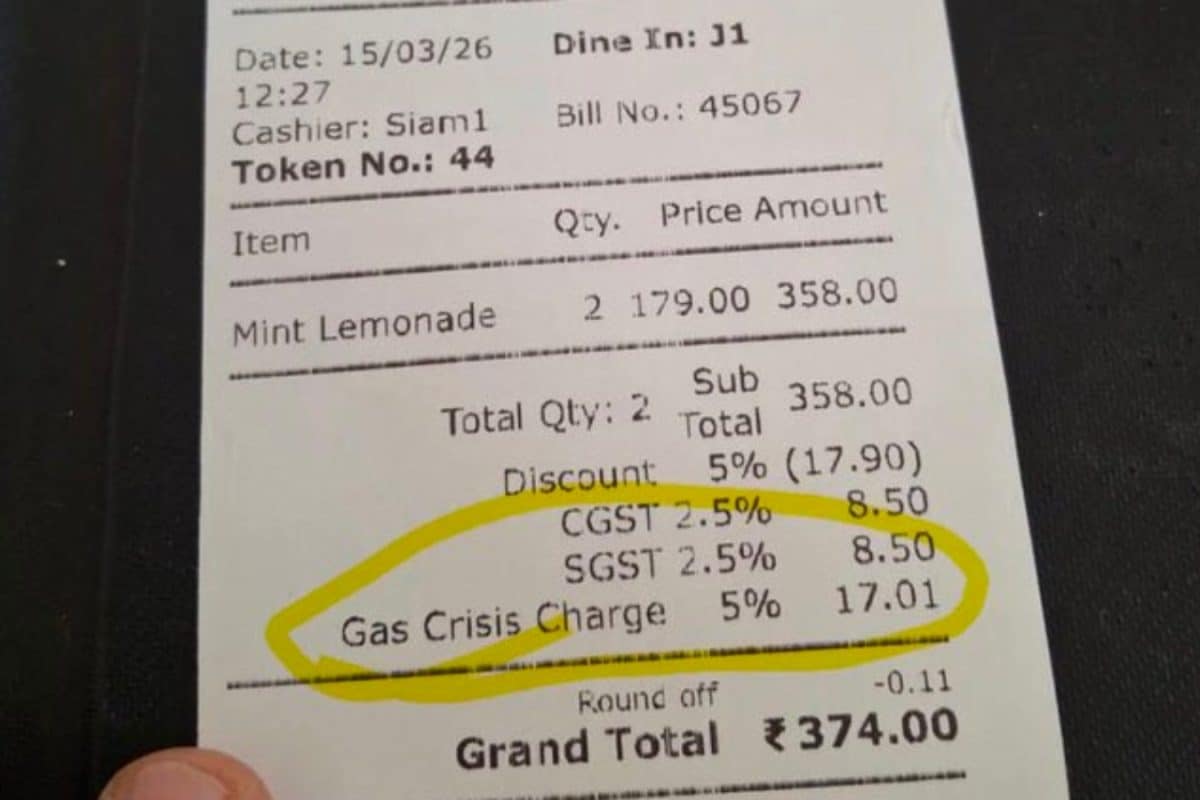
half of all consumers, specifically 57% at restaurants and 54% for street food, have witnessed price increases in the past week alone. Some of these hikes have been as substantial as 25%, hitting the wallets of those who rely on these eateries for daily sustenance. This rapid inflation is a direct consequence of a significant shortage in commercial LPG cylinders, which are the lifeblood of countless kitchens in India's vast informal food economy. The speed at which these prices have escalated is alarming, with many establishments now transparently adding an 'LPG surcharge' of Rs 15 or more to bills, while smaller vendors are forced to raise their prices simply to remain operational. The cost of cooking fuel has become exorbitant, with vendors reporting payments as high as Rs 400 per kilogram for LPG, often obtained through less conventional means due to the scarcity.
Double Squeeze Felt
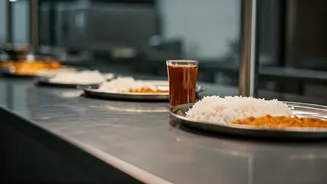
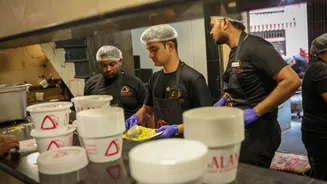
The ongoing LPG crisis is creating a dual pressure on both food businesses and their customers. Small-scale vendors, who depend on a regular supply of LPG to keep their operations running, are experiencing severe disruptions. This has led to reduced working hours, a narrowing of menu options to focus on less fuel-intensive dishes, and in some cities like Bhopal and Ranchi, temporary closures. Similarly, restaurants in major urban centers such as Bengaluru and Pune are reportedly scaling back their operations, including limiting the preparation of dishes that require significant cooking fuel. For the consumers, particularly daily wage earners, students, and office-goers who depend on affordable meals, the situation is dire. What was once a budget-friendly snack priced around Rs 30 is now creeping towards Rs 50 or more, putting immense strain on already tight household budgets and diminishing access to economical food choices.
Global Roots, Local Impact
The current scarcity of LPG and the subsequent price hikes are intricately linked to broader global energy disruptions and prevailing geopolitical tensions, particularly those in the Middle East and around the Strait of Hormuz, which have consequently tightened global supply chains. This ripple effect from international events directly impacts the daily lives of ordinary Indians. In response to the escalating costs and supply issues, many vendors are exploring alternative cooking methods. These include transitioning to charcoal, firewood, or induction stoves. However, these alternatives present their own set of challenges: they can be more expensive to implement, less energy-efficient, or impractical for the scale of operations common in India's street food culture. Ultimately, this is more than just an issue of rising food prices; it's fundamentally about access to affordable nutrition, and when that becomes prohibitively expensive, it disproportionately affects the most vulnerable segments of society.