




Market's Safe Havens
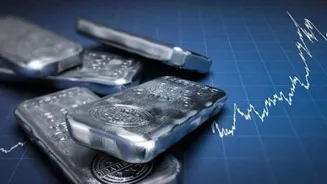
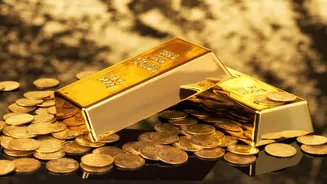
Gold and silver are frequently considered safe-haven assets, especially during periods marked by economic or political uncertainty. This is because they
tend to hold or even increase their value when other investments, such as stocks, experience downturns. When global trade relations get strained, like when tariffs are imposed, it can destabilize markets and cause investors to seek out assets that are perceived as less risky. This increased demand for precious metals can push their prices upward. These assets are seen as a safeguard against the risks tied to more volatile investments. It's a way for investors to protect their wealth amid unpredictable shifts in the global landscape, and this sentiment has bolstered their values. The recent upward trajectory of gold and silver mirrors this, driven by various worldwide apprehensions that have led to economic shifts.
Tariffs' Impact Analyzed
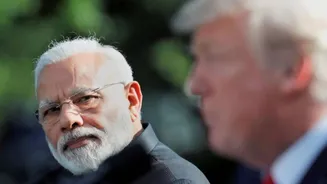
The trade tariffs, specifically those initiated by the Trump administration, introduced a notable level of disruption into the global economic ecosystem. These tariffs, aimed at reshaping trade dynamics and addressing perceived imbalances, had unintended consequences on financial markets. They caused unease among investors. This led to increased volatility. The uncertainty stemming from these trade policies drove some investors to embrace safe-haven assets, such as gold and silver. The increased demand for these metals subsequently influenced their prices to reach the heights observed, reflecting a clear response to the uncertainties and risks associated with trade wars. The imposition of tariffs highlighted the intricate link between geopolitical actions and investment decisions. The tariffs amplified risk perceptions and reinforced gold and silver's status as sought-after assets during times of global volatility.
Geopolitical Tension's Role
Geopolitical events play a significant role in influencing the behavior of precious metal markets. Heightened tensions between nations or unexpected diplomatic events often trigger a flight to safety among investors. Gold and silver, in these situations, become attractive because of their historical role as stores of value and their relative independence from the performance of any single economy. When a row erupts, or global relations face challenges, this can trigger a shift in investor sentiment, leading to heightened interest in these precious metals. The ongoing tensions contribute significantly to market dynamics, pushing prices towards their highs, as these metals are seen as reliable assets during uncertain periods. Any significant shift in geopolitical climates has a pronounced effect, frequently influencing the demand and price of gold and silver.
Investor Behavior Shifts
The way investors allocate their capital is greatly influenced by the prevailing economic and geopolitical conditions. In periods of uncertainty, the trend is toward risk aversion. Investors often rebalance their portfolios, allocating more resources to safe-haven assets such as gold and silver. This shift in investment strategy boosts demand for these metals, pushing their prices upward. Market instability, such as that stemming from the introduction of tariffs or the eruption of global issues, intensifies this shift. These reactions reflect a strategy of protecting capital against potential losses and capitalizing on the perceived stability of gold and silver. The collective actions of investors, guided by fear or hope, greatly impact the market's dynamics, driving prices as more investors seek to protect their investments.
Future Market Projections
Forecasting the future of the gold and silver markets involves considering many variables. The ongoing global trade imbalances and any geopolitical developments will be key determinants. If trade tensions ease or resolve, the demand for safe havens might decrease, which could stabilize or even lower prices. However, if uncertainties continue or intensify, gold and silver are likely to maintain or grow their appeal. Investors should monitor key events that could significantly affect the market. Interest rate changes, shifts in the dollar's value, and inflation rates also play a crucial role. A comprehensive view, which includes careful analysis of global trends, helps investors adjust their strategies accordingly. A realistic perspective takes into consideration the interplay between various factors influencing the investment.