





AI for Highway Vigilance
The National Highways Authority of India (NHAI) is embarking on a significant technological transformation for its extensive highway network, introducing
Artificial Intelligence (AI) as a primary tool for road surveillance and upkeep. This forward-thinking strategy is designed to dramatically improve road safety and the efficiency of maintenance operations. By continuously analyzing the condition of the road surfaces, the AI system will be adept at pinpointing problems such as potholes and other structural anomalies. Upon detection, these issues will be promptly communicated to the relevant authorities, enabling rapid intervention and mitigation, thereby substantially reducing the likelihood of accidents and elevating the overall quality of the commuting experience for all users.
Pothole Problems Solved
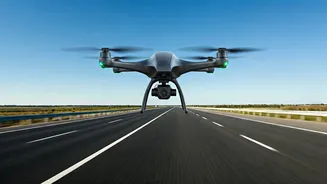
A major focus of this AI integration is to tackle the persistent problem of potholes, which have long been a source of inconvenience, vehicle damage, and dangerous road conditions across India. The new AI system, utilizing advanced sensors and cameras mounted on patrol vehicles and potentially drones, will offer a constant, detailed view of the tarmac. This granular monitoring capability ensures that even minor surface imperfections are identified before they escalate into significant hazards. The data collected will be fed into AI models that can accurately detect various defects, including cracks and potential encroachments, alongside potholes. This proactive approach promises to drastically cut down the response time for repairs, leading to a much-improved and safer highway system.
Modernizing Highway Management
This initiative represents a comprehensive modernization of how India's vast highway infrastructure is managed. NHAI plans to implement AI-powered dashcam analytics across approximately 40,000 kilometers of national highways. Route patrol vehicles will serve as mobile data collection units, capturing real-time visual information of the road conditions. Sophisticated AI algorithms will then process this data to identify a range of issues, from the ubiquitous potholes to structural cracks and potential safety risks like encroachments on highway land. Centralized dashboards will provide oversight and data tracking, creating a more transparent and efficient system for prioritizing and executing repairs, ultimately enhancing overall highway safety and management practices.