





Tariff Reduction Achieved
Bangladesh has recently finalized a new trade agreement with the United States, which includes a notable reduction in import tariffs for its exports. Initially,
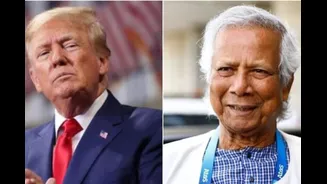
Washington had proposed a 37% tariff, which was later brought down to 20% in August of the previous year. Now, under this latest accord, the tariff has been further trimmed to 19%. This development is particularly significant as it encompasses specific textile and garment products manufactured using materials sourced from the US. Interim government chief Muhammad Yunus announced on X (formerly Twitter) that a mechanism will be established allowing these particular textile and apparel items, which utilize US-produced cotton and man-made fibers, to enter the US market with zero reciprocal tariffs. This agreement is the culmination of a nine-month negotiation period that commenced in April of last year. While Mr. Yunus, recognized for his pro-US orientation, highlighted the benefits of this deal, the US Treasury Department and other Trump administration offices had not yet issued an immediate statement regarding this development at the time of reporting.
Garment Sector Benefits
The core of this trade agreement's positive impact lies with Bangladesh's dominant ready-made garment (RMG) sector. According to Commerce Secretary Mahbubur Rahman, RMG products crafted from cotton and synthetic fibers that are imported from the US will now benefit from zero reciprocal duties under the new deal. This provision directly addresses a major export revenue stream for Bangladesh, which relies heavily on its apparel exports. The agreement, formally signed in Washington by Commerce Adviser Sheikh Bashir Uddin and US Trade Representative Jamieson Greer, is poised to offer considerable relief to exporters. The RMG industry is a cornerstone of the Bangladeshi economy, accounting for over 80% of its total export earnings and providing employment to approximately 4 million individuals, predominantly women. Furthermore, this sector contributes significantly to the nation's gross domestic product (GDP), representing about 10% of its total output.
Broader Trade Provisions
Beyond the crucial textile and garment sector, the trade agreement between Bangladesh and the United States incorporates several other important provisions. Commerce ministry officials have indicated that the deal extends to facilitate the import of key US agricultural and energy products, including wheat and soybean, as well as liquefied natural gas (LNG). Additionally, Bangladesh has committed to refraining from imposing tariffs on e-commerce transactions. The agreement also mandates compliance with US-specified standards for intellectual property rights, a critical aspect for international trade relations. Furthermore, Bangladesh has signaled its support for US proposals aimed at reforming the World Trade Organisation (WTO). These comprehensive clauses suggest a deepening of economic ties and a strategic alignment between the two nations on various trade fronts, moving beyond just tariff reductions on apparel.
Geopolitical Influences
The timing and terms of the recently concluded US-Bangladesh trade deal may have been influenced by broader geopolitical considerations, particularly in light of recent trade arrangements made by the US with other nations. The Commerce Secretary pointed out that the trade deal finalized between the US and India earlier this month, which saw India's tariffs reduced from 50% to 18% in exchange for halting Russian oil purchases and lowering trade barriers, could have played a role. This suggests that Washington's decisions on tariff adjustments are not solely based on bilateral trade economics but also on strategic alliances and global political dynamics. Bangladesh's close competitors, such as Vietnam, which faces a 20% reciprocal tariff, and Pakistan, Cambodia, and Indonesia, all subjected to a 19% tariff, further contextualize the significance of Bangladesh securing a similar advantageous rate, potentially due to these wider geopolitical alignments.