





Market Dynamics Unveiled
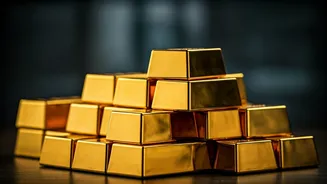
Gold prices are subject to frequent changes, responding to global economic indicators and geopolitical events. Examining recent data shows that on December
22, gold prices were on the rise. Conversely, on December 18 and December 19, prices saw a decline. These fluctuations demonstrate the dynamic nature of the gold market. Factors such as shifts in interest rates, inflation expectations, and currency valuations all play significant roles in determining gold's value. The market's reaction to economic news, international conflicts, and central bank policies adds another layer of complexity. These factors, in combination, influence the supply and demand, which drives the daily gold price variations. Regular monitoring of these elements is necessary to understand and anticipate market movements, offering investors a base for informed decision-making.
Expert Insights and Forecasts
Experts weigh in on gold's future, with projections available to help investors. Market analysts offer perspectives on how gold could perform, highlighting potential gains and considerations. It is crucial to evaluate these forecasts in terms of investment plans. Some analysts, like Ed Yardeni, predict that gold could reach $10,000 per ounce by 2029. These perspectives, shaped by market analysis, economic models, and global events, give investors a way to assess potential gains and investment prospects. However, investors need to think critically about market predictions, recognizing that the actual performance may differ from forecasts. By examining different viewpoints and performing thorough research, investors can build a more comprehensive understanding.
Gold vs. Other Investments
Comparing gold with other investment avenues like the stock market and fixed deposits helps create a diversified investment portfolio. Gold's performance relative to assets such as the stock market and bank deposits indicates its role in a varied investment portfolio. Examining historical data from 1985 shows how different investment options have performed over time, enabling investors to compare their returns. Comparing gold with the Sensex and fixed deposits will help the investors get a broader picture of the possible returns and how each investment option could have benefitted them. Evaluating these different investment avenues gives investors insights into how to build a balanced and effective portfolio.
Long-Term Outlook for Gold
Considering the long-term prospects, the future of gold remains influenced by global economic and geopolitical trends. Factors such as inflation, currency values, and the actions of central banks will continue to shape gold's trajectory. Understanding these dynamics is essential for making informed investment choices. Some analysts predict the gold's rise to $10,000 by 2029, yet investors should consider these predictions in the context of broader market trends, recognizing that numerous factors can affect gold's value over extended time horizons. A long-term perspective enables investors to navigate the inherent volatility of the gold market. A thorough understanding of gold's role as a potential safe haven asset in times of economic uncertainty and its connection to larger economic cycles provides a stronger grasp of its long-term investment viability.