







What Qualifies as Critical?
Critical illness insurance is designed to provide a financial safety net for specific, severe health events, not for every ailment. Policies typically
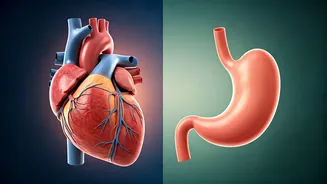
focus on conditions like cancer, heart attacks, strokes, kidney failure, or the need for major organ transplants. It's crucial to understand that a diagnosis alone might not trigger a payout; the insurer will scrutinize how the specific illness is defined within your policy document and its severity. For instance, early-stage cancer or less severe heart conditions might not meet the policy's criteria for a payout. The exact scope of coverage, including what conditions are included and excluded, is detailed in the policy's fine print. Experts advise policyholders to meticulously review these definitions to gain a clear understanding of what qualifies for a claim, ensuring no surprises when seeking financial support during a health crisis. This clarity is paramount for navigating the claims process effectively.
Policy Definitions Matter
The precise wording in a critical illness policy document is paramount to determining claim eligibility. Take cancer, for example; many policies stipod for coverage when the disease is in its early stages, often requiring it to have progressed to a more advanced or severe stage before a payout is considered. This principle extends to other serious conditions such as heart disease or neurological disorders; not every diagnosis will automatically qualify. The condition must explicitly meet the medical criteria established and detailed within the policy's terms and conditions. As Manish Dodeja from Care Health Insurance points out, policyholders must thoroughly examine the definitions of covered illnesses, what is explicitly included, and what is specifically excluded. This diligence ensures a comprehensive understanding of circumstances that would lead to a successful claim, preventing potential disputes or rejections. Sarita Joshi of Probus emphasizes that life-threatening conditions like cancer, kidney failure, or significant heart attacks are only considered valid for critical illness benefits if they are clearly listed and defined in the policy. For early-stage conditions that might fall under broader categories, payouts are often a portion of the total sum insured, rather than the full lump sum amount.
Benefit vs. Indemnity
Critical illness insurance products generally fall into two main categories: benefit-based and indemnity-based. The 'benefit' type of policy is what most people associate with critical illness cover. Upon a confirmed diagnosis of a covered serious illness, you receive a one-time, lump-sum payout. This payout is not tied to your actual medical expenses or hospital bills. Once the diagnosis meets the policy's specific definitions and any waiting periods are satisfied, the funds are disbursed. You then have complete discretion over how to utilize this money – it can be used for treatment costs, to offset lost income during recovery, or to manage other financial strains. In contrast, 'indemnity' policies are more akin to traditional health insurance. They cover actual hospitalization expenses, including pre- and post-hospitalization costs, specifically for critical illnesses listed in the policy. These policies focus on reimbursing documented medical expenditures for specified diseases, rather than providing a discretionary fund.
Pairing with Health Insurance
While a critical illness policy provides a vital financial cushion, it's essential to recognize that it's not a complete substitute for a standard health insurance plan. The lump-sum payout from a critical illness policy is intended to offer flexibility in managing expenses beyond direct medical bills, such as income replacement or other daily living costs during a period of serious illness. However, it typically does not cover the day-to-day medical expenses associated with hospitalization and treatment, which is the primary function of a regular health plan. Therefore, the most prudent approach is to maintain a balanced combination of both types of insurance. A health insurance policy can cover your hospital bills and medical treatments, while the critical illness cover acts as a supplementary financial resource, providing additional support to navigate the broader financial implications of a severe health event. This dual coverage strategy ensures comprehensive protection against both medical costs and the potential financial disruption caused by a critical illness.