
The Core Issue
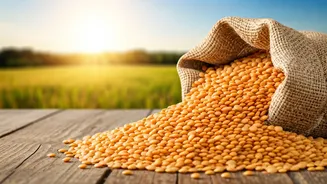
At the heart of the matter lies a dispute over tariffs on pulses, a category of crops including lentils, chickpeas, dried beans, and peas, that the US
wants India to lower. Specifically, US senators from North Dakota and Montana, major pulse-producing states, have requested that President Trump advocate for American producers in trade negotiations with India. These lawmakers believe that India's high import duties, especially on crops like yellow peas (which saw a 30% tariff implemented in October), put American farmers at a disadvantage. This request stems from a larger context of friction, with the US seeking greater access to India's market, and India aiming to protect its agricultural sector. The trade talks between the two nations have been stalled for months, leading to calls for Trump to intervene and address the concerns of US agricultural producers, who have the capacity to meet global demand and contribute to trade balance if given fair market access.
US Lawmakers' Push
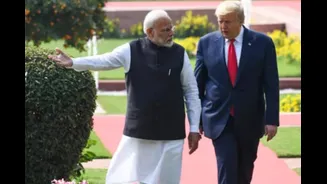
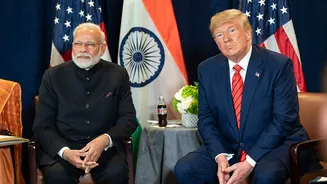
US lawmakers are actively lobbying for reduced pulse tariffs in any trade agreement finalized with India. A letter from senators outlined the concerns, emphasizing that these tariffs disadvantage US producers. They reminded Trump that this issue was brought up during his first term with Modi. The senators pointed out that India accounts for about 27% of global pulse consumption, creating a substantial market opportunity. They argued that easing the tariffs would benefit both US producers, by increasing their exports to a significant market, and Indian consumers, by potentially lowering prices, creating a win-win scenario. The senators believe that reduced tariffs would strengthen the economic cooperation between the two countries, which is beneficial for both sides.
Impact of Tariffs
The imposition of tariffs, particularly a 30% duty on yellow peas that took effect in November of the previous year, has impacted the competitiveness of US pulse exports in India. This move has made American pulses more expensive for Indian buyers despite strong demand in the Indian market. It is believed that the tariffs directly affect the competitiveness of US produce and, consequently, negatively impact the potential for trade between the two countries. The recent tariff implementations have caused a strain on trade relations, adding to other tensions and diplomatic issues between the two nations. These measures, combined with broader disputes over tariffs, have contributed to a noticeable cooling in relations between the two nations.
Trade Talks Strains
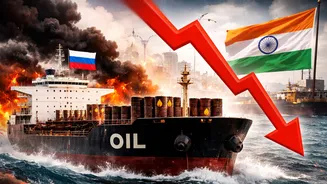
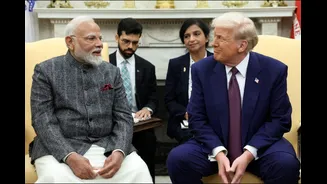
The trade talks between the US and India have been marked by friction and missed deadlines. Despite initial optimism, particularly after Modi's early visit to the White House following Trump's swearing-in, the negotiations have faced significant challenges. The broader tariff dispute has strained the relationship between the two nations, highlighting the complexities of trade negotiations. The US imposed 50% tariffs on Indian goods in August, including those associated with India's purchase of Russian oil, which escalated trade tensions. Both sides have yet to agree on a timeline for a deal. The US-India tariff negotiations are a sensitive area, and with agriculture as a key point of contention, negotiations have become increasingly complex. The resolution of the tariff issue will likely have a significant impact on the future of US-India trade relations.