






Historic Tariff Reduction
Following a pivotal telephone exchange between Prime Minister Narendra Modi and US President Donald Trump, India and the United States have successfully
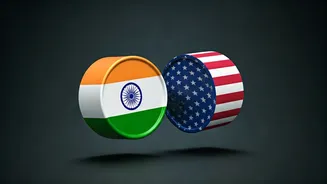
negotiated a significant trade agreement. A key outcome of this discussion is the reduction of reciprocal tariffs imposed on Indian goods, which will now stand at 18 percent, a notable decrease from the previous 25 percent. President Trump himself announced this development via a social media platform, emphasizing that the accord was a gesture of goodwill and respect towards Prime Minister Modi. The agreement is effective immediately and signals a positive shift in the bilateral trade relationship, moving away from the tariff disputes that characterized the previous year. This tariff adjustment is expected to make Indian products more competitive in the US market and foster greater trade volume.
Mutual Economic Benefits
Prime Minister Modi expressed his satisfaction with the agreement, highlighting that "made in India" products will now benefit from a more favorable tariff rate of 18 percent. He conveyed his gratitude to President Trump on behalf of India's 1.4 billion citizens for this "wonderful announcement." While Modi's public remarks focused on the tariff reduction, President Trump elaborated on broader commitments. He stated that Prime Minister Modi pledged to increase purchases of American-made goods across various sectors, including energy, technology, agriculture, and coal, with the value of these prospective purchases exceeding USD 500 billion. Furthermore, discussions reportedly touched upon significant geopolitical matters, such as efforts to de-escalate the conflict between Russia and Ukraine. A particularly noteworthy point mentioned by Trump was Modi's agreement to reduce reliance on Russian oil and instead procure more from the United States and potentially Venezuela.
Strengthening Bilateral Ties
This recently struck deal represents a significant departure from the tariff-related tensions that marked the preceding year. Last year saw an escalation of US duties on Indian imports, partly in response to New Delhi's continued substantial purchases of Russian crude oil, which had drawn retaliatory tariffs from the US. Prime Minister Modi characterized the enhanced cooperation as a mutually advantageous scenario for both economies. He articulated that when two major economic powers, and indeed the world's largest democracies, collaborate, it invariably benefits their populations and unlocks vast potentials for partnerships that yield shared advantages. Modi conveyed his anticipation for the deepening of the India-US relationship, underscoring the strategic importance of this renewed economic engagement.