





Understanding Your Entitlements
When unforeseen events like geopolitical conflicts lead to travel cancellations, passengers generally possess rights to seek refunds or rebooking options
from airlines. The specifics of your entitlement are typically governed by the terms and conditions associated with your ticket purchase, alongside the individual policies established by the airline. It is crucial to familiarize yourself with these conditions to effectively navigate the refund process and assert your rights. Many airlines have proactively issued advisories and outlined particular procedures for passengers affected by the ongoing situation, so checking their official communication channels is a vital first step in understanding available recourse and ensuring you are well-informed about how to proceed with your claim.
Securing Flight Refunds
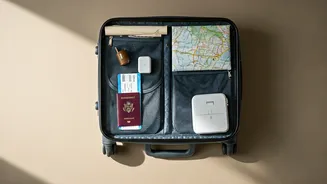
To successfully claim a refund for a cancelled flight, begin by thoroughly reviewing the airline's official cancellation policy, often found on their website, with a specific focus on disruptions related to the West Asia conflict. Direct contact with the airline is recommended if you booked your ticket directly with them, ensuring you have your booking reference and flight details ready to present. For bookings made through travel agents or online travel agencies (OTAs), you will typically need to process your refund request through these intermediaries, who will then liaise with the airline. Meticulous record-keeping of all booking confirmations, e-tickets, and correspondence is paramount, as this documentation serves as essential evidence should you need to escalate your claim. Given the high volume of requests, patience is advised, with regular follow-ups being a good strategy if a prompt response is not received.
Claiming Hotel Reimbursements
Similar to flight bookings, hotel reservations can also be impacted by travel disruptions. Your ability to secure a refund for a hotel stay largely hinges on the establishment's cancellation policy, and whether any force majeure clauses, applicable due to the conflict, can be invoked. It is imperative to first examine the hotel's specific cancellation terms, particularly for direct bookings, paying close attention to any stipulations regarding unforeseen events or travel advisories. Direct communication with the hotel is advisable to explain your situation and explore options for a refund or a change in reservation dates. If your booking was made via an OTA, you will need to engage their customer support to mediate with the hotel. Furthermore, if your travel insurance policy covers trip cancellations due to such events, filing a claim with your insurance provider is a viable avenue.
Preventing Booking Losses
To effectively mitigate potential booking losses during periods of travel uncertainty, prioritize booking flexible flight tickets and hotel accommodations that permit free cancellations or date modifications. Investing in comprehensive travel insurance is highly recommended, as it can cover unforeseen events such as trip cancellations and interruptions, especially when traveling to or through regions prone to geopolitical risks. Staying informed about official travel advisories and news pertaining to the West Asia conflict is crucial for making timely and informed decisions about your travel plans. Finally, consider exploring alternative, safer destinations if your original itinerary is significantly impacted by the ongoing situation, thereby safeguarding your travel investment.
Navigating Travel Agent Complexities
When dealing with travel agents or online travel aggregators (OTAs) for refunds, be aware that the process can sometimes introduce delays and added layers of complexity. These intermediaries often have their own specific cancellation and refund policies, which might differ from those of the airlines or hotels, and may even supersede them. Some OTAs provide supplementary insurance, such as 'Cancel for No Reason' coverage, allowing cancellations up to check-in time for a full refund, but it's vital to scrutinize the terms and conditions carefully, as there can be exclusions. It's generally advisable to book directly with airlines and hotels if possible, to streamline refund processes and avoid potential hidden costs or conditions imposed by third parties. If using an agent or OTA, select one with a proven track record and clear communication channels to ensure they can effectively assist you during distress.