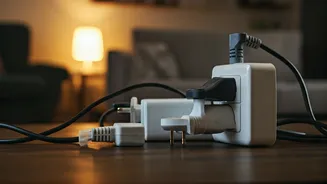








Vacation and Electrical Safety
When you embark on a vacation, the anticipation of relaxation and escape often overshadows the practicalities of home safety. However, a small oversight
can lead to significant problems. One often-overlooked area is electrical safety. Leaving electronic devices plugged in while you're away presents several risks. Power surges, whether caused by lightning strikes or fluctuations in the electrical grid, can damage or destroy connected devices. These surges can travel through your home's wiring, affecting everything from your television to your refrigerator. Even without a surge, devices left plugged in can pose a fire hazard if they malfunction or overheat. Therefore, unplugging certain devices before you leave is a crucial step towards preventing potential disasters and protecting your property.
Devices to Unplug
Identifying which devices to unplug is essential for maximizing safety. Some devices are more susceptible to electrical surges and more likely to cause problems. Start with entertainment systems, including televisions, gaming consoles, and sound systems. These devices often have multiple components and are vulnerable to power fluctuations. Kitchen appliances like microwaves, toasters, and coffee makers should also be unplugged. These appliances can draw significant power and may have internal heating elements that pose a fire risk if left unattended. Other important devices to disconnect include computers, laptops, and chargers. These items are sensitive to voltage changes and can be easily damaged by power surges. Additionally, consider unplugging any devices with standby power, as they still consume electricity and can contribute to a potential fire hazard. Prioritizing these devices will significantly reduce the risks associated with electrical problems while you are away.
Insurance Coverage
Understanding your home insurance policy is crucial when it comes to electrical-related incidents. Most policies cover damages caused by electrical surges, though there may be limits and exclusions. It's important to review your policy to know what's covered and what isn't. Damages resulting from a fire caused by a faulty appliance, for example, are usually covered, while the damage from a surge might depend on its origin. While insurance can provide financial protection, it's not a substitute for prevention. Unplugging devices can help to minimize the risk of a claim and the associated stress and disruption. It's always best to be proactive in taking steps to safeguard your home, as the best insurance is preventing the loss in the first place. Regularly reviewing your home insurance policy, and understanding what is and isn't covered, will also help in preparing for potential situations.
The Bottom Line
Taking a few simple steps before you head out for a vacation can save you a lot of worry and potentially a significant amount of money. The habit of unplugging devices offers peace of mind. By taking this simple precaution, you can reduce the risks of electrical fires and protect your appliances from power surges. It is also important to regularly review your home insurance policy to understand what is covered. This small effort of unplugging before you leave can protect you from financial losses and ensure you can relax and enjoy your time away. By prioritizing safety and understanding your home's vulnerabilities, you can create a safer and more secure environment, whether you're at home or travelling.