






Why Costs Vary
Medicine prices can fluctuate wildly, leading to confusion and financial strain. Several factors contribute to these varying costs. One significant element
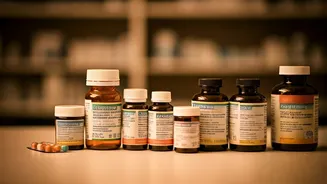
is the brand versus generic medication distinction. Brand-name medicines, often developed by pharmaceutical companies, are typically more expensive because of research and development costs, marketing expenses, and patent protection. Generic medicines, which become available after a brand's patent expires, contain the same active ingredients but are usually much cheaper. Competition among generic manufacturers drives down prices. The location of the pharmacy, whether it's in a city or a rural area, also plays a role. Pharmacies in affluent areas often have higher overhead costs, leading to higher medicine prices. The specific insurance plan you have can greatly affect your out-of-pocket expenses. Different plans have different formularies (lists of covered medicines), deductibles, co-pays, and co-insurance rates, all of which influence what you pay. Furthermore, discounts and promotions offered by pharmacies or pharmaceutical companies can temporarily reduce costs, creating price disparities. Finally, the supply chain, including manufacturing, distribution, and storage costs, adds to the final price. Understanding these factors will help you make more informed decisions and navigate the healthcare system effectively to find the best possible prices for your medicines.
Find Cheaper Options
Exploring multiple avenues can help you reduce your medicine bills. Begin by investigating generic alternatives. Generic medicines work just as effectively as brand-name drugs but are generally far more affordable. Talk to your doctor or pharmacist about switching to a generic equivalent. Explore various pharmacies, as prices can significantly differ. Check prices at different local pharmacies and online pharmacies. Online pharmacies sometimes offer lower prices, especially for generic medications. Consider using price comparison tools or apps designed for medicine shopping. Many apps enable you to compare prices across pharmacies and find the most cost-effective options. Some even alert you to discounts or coupons. Ask your doctor for samples, which can provide temporary relief while you search for the most affordable long-term option. Investigate patient assistance programs offered by pharmaceutical companies. These programs provide free or discounted medicines to eligible individuals who meet certain income criteria. Review your insurance plan and its formulary, which outlines the medicines it covers and their associated costs. Make sure you understand your plan's deductibles, co-pays, and co-insurance. Consider mail-order pharmacies, which often provide lower prices and convenient refills. Before filling a prescription, verify if there's an available discount card or coupon. Many pharmacies and third-party companies provide these to help reduce out-of-pocket costs. These strategies, combined, can substantially reduce your medicine expenses, helping you manage your healthcare costs more effectively.
Shop Smart, Stay Safe
Prioritizing your safety and the quality of your medicines is crucial, especially when cost-cutting. Start by only purchasing medicines from licensed pharmacies. Licensed pharmacies follow regulations to ensure the safety and authenticity of the medicines they dispense. When ordering online, verify the pharmacy's credentials by checking for a verified internet pharmacy practice site accreditation. This ensures they adhere to strict standards. Always verify the medication’s authenticity by comparing the appearance of the medicine, including its packaging and color, with what is expected. If anything seems off, contact your pharmacist or healthcare provider. Understand the medication’s instructions and potential side effects by carefully reading the label and any provided patient information. Communicate openly with your doctor or pharmacist about any concerns or questions. They can offer guidance and ensure you use the medicines safely and effectively. Store your medicines correctly, following the instructions on the label. This typically involves keeping them in a cool, dry place away from direct sunlight and heat. Regularly check the expiration dates of your medicines and discard any expired ones. Using expired medicines can be ineffective or even harmful. By implementing these precautions, you can confidently obtain affordable medicines while prioritizing your health and safety.
Near Store Purchases
Buying your medicines from a nearby store offers convenience and opportunities to potentially save money. Begin by comparing prices at different pharmacies close to your home. Prices can vary significantly between different local stores, so doing some quick research can save you money. Always check with your local pharmacies to see if they offer any discounts or loyalty programs. Many pharmacies provide discounts for seniors, veterans, or individuals with specific insurance plans. Inquire if they honor coupons or accept discount cards, as these can significantly lower your costs. Ensure that the pharmacy you are considering is well-stocked and carries the specific medicines you need regularly. This eliminates delays and reduces the chance of having to go elsewhere. If you have a prescription, verify that the pharmacy accepts your insurance plan. Checking this before visiting the store ensures a smooth experience and helps you manage your costs upfront. If possible, consider using a pharmacy that also offers a drive-through service. This can save you time and provide added convenience. If you cannot visit the store, ask about home delivery options. Many pharmacies offer this service, especially for people with mobility issues or those who cannot easily travel. Before making a purchase, ask the pharmacist any questions you have. They can provide valuable information on generic alternatives, dosage instructions, and potential side effects. By carefully researching nearby pharmacies, you can find the most affordable and convenient ways to access your needed medicines.