
Sankranti and Markets
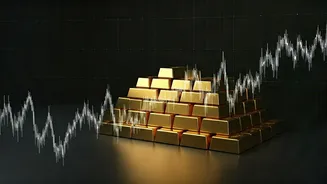
The auspicious occasion of Makara Sankranti, typically celebrated in mid-January, often influences various markets across India, and the gold and silver
markets are no exception. Historically, there's been an interesting interplay between this harvest festival and the prices of precious metals. The festival often signifies new beginnings and prosperity, which can affect consumer sentiment and, by extension, investment behavior. After Makara Sankranti, market participants carefully observe price movements. This time frame can provide insights into emerging trends and seasonal variations in demand. Furthermore, religious and cultural traditions associated with the festival, such as gift-giving and purchasing precious metals for auspicious purposes, contribute to price fluctuations. Understanding this connection is essential for anyone interested in trading or investing in gold and silver, especially when considering the context of Indian cultural practices and economic cycles. The post-Sankranti period gives an early indication of market behavior during the rest of the year.
Factors Affecting Prices
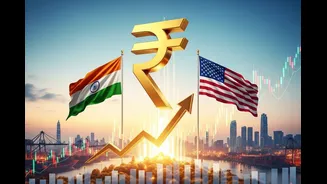
Several factors contribute to the price movements of gold and silver. These include global economic indicators like inflation rates, interest rate decisions by central banks (such as the Reserve Bank of India), and the strength of the Indian rupee against the US dollar. Demand from key sectors, including jewelry, investment, and industrial applications, also has a significant impact. Additionally, supply-side dynamics, such as mining output and import policies, play an important role. International events, such as geopolitical tensions or changes in global trade policies, can also influence investor sentiment and lead to fluctuations in precious metal prices. Seasonal demand, particularly around festivals and wedding seasons, often increases the demand for gold and silver, thus influencing prices. This complex interplay of various factors makes the precious metals market dynamic and requires careful monitoring for investors and traders to make informed decisions.
Post-Festival Analysis
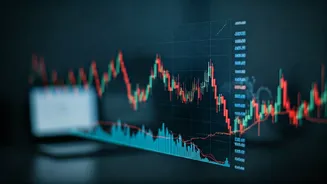
Analyzing price trends following Makara Sankranti gives a nuanced perspective. The performance of gold and silver is usually watched closely to see how they reacted to the festive demand and overall market conditions. Were there increased purchases due to the auspicious occasion, or did economic concerns temper buying? Was there a shift in investor confidence based on pre-festival market trends and post-festival economic forecasts? Examining these aspects offers valuable insight into the current market outlook. It also allows an examination of supply chains and demand-side behavior post-festival, identifying specific patterns. This post-festival analysis is essential for understanding short-term and long-term implications for the precious metals markets. Analyzing the trading volumes, prices, and consumer behavior during this period can reveal whether the market has remained stable, whether there have been significant shifts, or whether certain seasonal trends have emerged.
Market Outlook and Trends
The overall market outlook for gold and silver relies on several variables. These involve domestic and global economic factors. Any changes to the Indian government's import duties can affect gold and silver costs. Additionally, the actions of global central banks impact the value of the rupee. Globally, economic uncertainty or any rise in geopolitical risks usually pushes investors towards safe-haven assets such as gold. Investors must monitor consumer sentiment, which can be influenced by the festive season and market behavior. Observing these trends aids in making well-informed investment decisions. The interplay between various factors makes this market dynamic and, therefore, one must stay updated with market data and economic reports to stay ahead in investment strategies. Experts regularly share perspectives on market trends and predict possible future movements. This information is vital for people seeking guidance on their investments.
Investment Strategies
Various investment strategies exist for engaging with gold and silver. Physical gold, in the form of bars, coins, or jewelry, is a classic method of investment, appealing to many. Digital gold, accessible through ETFs, sovereign gold bonds, or digital platforms, provides a modern alternative, allowing investors to trade with greater flexibility. Silver, also available in physical and digital formats, provides diversification options. Choosing the correct strategy depends on risk tolerance, investment objectives, and market analysis. Long-term investors often favor physical gold, viewing it as a store of value. Those looking for more liquidity might prefer digital options. Diversifying an investment portfolio by including a mix of gold and silver, alongside other asset classes, can help in managing risk. Thoroughly researching market trends and understanding the implications of various investment options is critical before making any financial decision. Consulting a financial advisor can offer tailored advice for an investment portfolio.