







Modern Pruning Unveiled
In a significant development for horticultural practices, the ICAR–Central Institute for Subtropical Horticulture (CISH) in Lucknow recently showcased
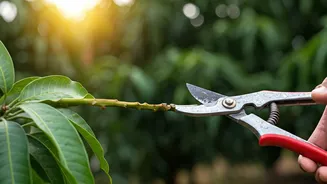
a sophisticated method designed to breathe new life into mature mango trees. This advanced technique involves the strategic use of specialized pruning machinery to carefully trim and reduce the size of large, older mango trees. The primary objective of this intervention is to counteract the decline in productivity often associated with aging orchards, thereby fostering renewed vigor in the trees. This initiative is poised to revolutionize how farmers manage their mango groves, offering a pathway to improved yields and better quality fruit from trees that might otherwise be nearing the end of their productive lifespan.
Boosting Productivity and Quality
The adoption of this new pruning technology is anticipated to yield substantial benefits for mango growers by directly addressing the challenges posed by aging trees. By carefully reducing the canopy size and removing unproductive branches, the technique encourages the trees to allocate more resources towards fruit production. This results in a marked improvement in both the quantity and the overall quality of the mangoes harvested. Furthermore, this systematic rejuvenation process leads to a more manageable tree structure, which can simplify harvesting operations and reduce the incidence of pests and diseases, thus contributing to healthier and more abundant crops. The implications for agricultural output and farmer income are considerable.
Economic Advantages for Farmers
Beyond the enhanced fruit production and quality, this innovative pruning approach offers significant economic advantages by lowering the overall maintenance costs for farmers. Traditional methods of managing old, overgrown mango trees can be labor-intensive and expensive. The mechanical pruning system, however, streamlines the process, requiring less manual effort and reducing the need for frequent, costly interventions. This cost-effectiveness makes it a highly practical and sustainable solution for reviving unproductive orchards. By decreasing operational expenses while simultaneously increasing revenue through better yields, this technology empowers farmers to achieve greater long-term profitability and stability in their horticultural ventures.