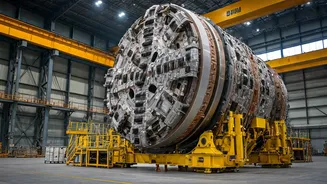








TBM Arrives, Ready
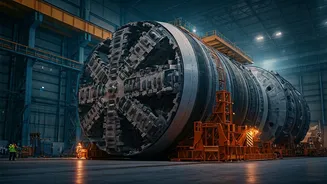
The foundational stages of the Mumbai-Ahmedabad High-Speed Rail (MAHSR) project are marked by the successful assembly of its first Tunnel Boring Machine
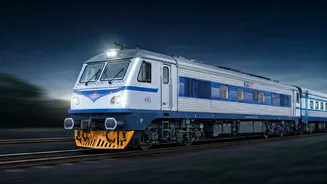
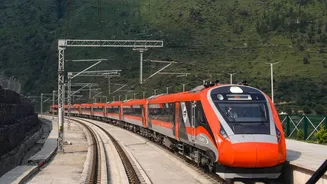
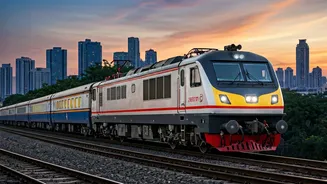
(TBM). This sophisticated piece of engineering, a product of Japanese expertise, is now fully operational and poised to undertake crucial underground tunneling tasks. Specifically, this TBM will carve out the path for the rail line between the Bandra-Kurla Complex (BKC) and Shilphata, a vital segment in Maharashtra. This ambitious project, a collaboration between India's National High-Speed Rail Corporation Limited (NHSRCL) and Japan, aims to create a 508-kilometer high-speed corridor. Once completed, the bullet train is projected to achieve speeds of 320 kmph, drastically reducing the travel time between India's financial capital, Mumbai, and Ahmedabad to approximately two hours. The anticipated completion date for this transformative infrastructure is 2026.
Engineers Gain Expertise
Complementing the physical construction, a significant human capital development initiative is underway. Over 1,000 engineers have undergone specialized training in Japan, equipping them with the necessary skills and knowledge to contribute effectively to the bullet train project. This capacity-building program, facilitated by Japanese railway technical experts including Japan Railway Technical Service (JARTS), focuses on the intricacies of high-speed rail infrastructure development. The training module on slab track construction technology, a critical component for high-speed lines, was recently conducted in Maharashtra. This proactive approach ensures that India possesses a skilled workforce ready to manage and maintain such advanced railway systems, underscoring the deep technical cooperation between India and Japan in this pioneering endeavor.
Second TBM Assembled
The momentum of the Mumbai-Ahmedabad High-Speed Rail (MAHSR) project is further amplified by the commencement of assembly for the second Tunnel Boring Machine (TBM). This crucial phase is unfolding in Sawli, near Ghansoli, where the TBM is being meticulously put together within a deep shaft. This process adheres to established urban tunneling methodologies, ensuring that the machine is prepared for its demanding excavation duties. Following the completion of assembly, rigorous testing and commissioning activities will take place to guarantee its optimal performance. The continuous arrival and assembly of these powerful TBMs signify steady progress in the underground tunneling work, a complex and essential aspect of constructing the 508-kilometer high-speed corridor that will link Mumbai and Ahmedabad at speeds of up to 320 kmph, aiming for a travel time of just about two hours.