
Overall Industry Performance
In December 2025, the eight core industries in India collectively demonstrated a positive trajectory, achieving a growth rate of 3.7%. This performance
signifies a noteworthy expansion within critical sectors of the Indian economy. This data point offers an important signal regarding the overall economic health of India at that time, and reflects trends in sectors that are crucial to infrastructure and manufacturing. The aggregate performance indicates both strengths and areas needing attention. This growth figure is an important indicator for policymakers and investors, offering insights into the economic direction and sectoral dynamics of the country, highlighting the success of particular industries.
Cement Sector's Rise
The cement sector stood out as one of the leading contributors to the expansion, with strong growth that propelled the overall increase in the core industries. This positive performance can be attributed to several factors including increased construction activities across the country. Government initiatives focused on infrastructure development, such as roads, railways, and housing projects, played a significant role in fostering demand. Furthermore, private sector investments in real estate and industrial projects amplified the need for cement. As India continues to urbanize and develop its infrastructure, the demand for cement is likely to remain high, further bolstering the industry's prospects. The growth in this area is a reflection of the larger national initiatives.
Steel Sector's Contribution
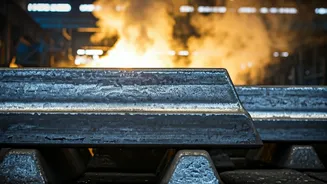
Alongside cement, the steel sector played a pivotal role in driving the growth recorded in December 2025. The robust performance of the steel industry mirrors the increasing demand from various sectors, especially construction and manufacturing. The expansion of steel production and consumption is essential for supporting a wide range of developmental activities, from constructing buildings and bridges to creating essential industrial equipment. Increased industrial output and the ongoing infrastructure projects have resulted in a notable increase in steel demand, facilitating the sector's positive growth. The steel sector’s success can be directly linked to the broader economic development efforts underway in India. Increased focus on domestic manufacturing also positively impacts steel demand.
Coal Sector Challenges
In stark contrast to cement and steel, the coal sector experienced a downturn during the same period. The decline in the coal industry indicates various challenges and shifts within the energy sector. A number of factors contributed to this, including changes in energy production methods and the increasing popularity of alternative energy sources. The coal industry’s downturn may also be attributable to decreased demand from coal-fired power plants. Technological advancements and environmental regulations have further influenced the demand for coal, as more sustainable energy alternatives have become more common. The shift away from coal impacts related industries, such as coal mining and transportation, requiring them to adapt to evolving market needs.
Oil, Gas Sector Dynamics
The oil and gas sectors also faced challenges, experiencing a decrease in output during December 2025. This downturn indicates complex market dynamics. Several factors can influence this, including shifts in global oil prices, variations in domestic demand, and issues related to production and supply chains. Additionally, the move towards sustainable energy options and the rise of electric vehicles might have contributed to a decrease in the demand for oil and gas. Volatility in global energy markets can further affect these sectors. Addressing the challenges faced by oil and gas will require strategic adjustments and a focus on both short-term market dynamics and long-term sustainability plans.