
Aromatic Spice History
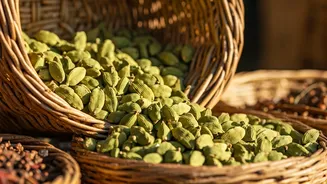
Cardamom, also known as 'elaichi' in many parts of India, has a rich and storied past, deeply rooted in the culinary traditions of India. The spice has been
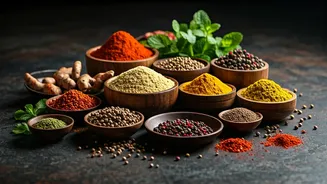
used for centuries, not only for its distinct flavor but also for its medicinal properties. Historically, cardamom was a valuable commodity, traded along ancient spice routes. Its cultivation was concentrated in specific regions, primarily in the Western Ghats of India. This concentrated cultivation made it a precious and sought-after ingredient, essential in both cooking and traditional remedies. Its aromatic essence quickly spread beyond its origins, making its way into the kitchens and cultures worldwide, shaping global cuisine and trade for centuries.
Flavor Profile Matters
The unique flavor of Indian cardamom is a major contributor to its global appeal. Cardamom offers a complex flavor profile that blends sweetness, warmth, and a hint of citrus. This distinctive character makes it incredibly versatile, easily adapting to both sweet and savory dishes. The spice can be used in teas, coffees, desserts, and even savory dishes, adding a unique depth of flavor. Its ability to enhance a wide range of recipes and beverages sets it apart from many other spices. Moreover, the quality of Indian cardamom, cultivated in specific climates and harvested using particular methods, is particularly sought after. It is this premium quality that differentiates Indian cardamom in the market and appeals to discerning consumers and chefs across the globe.
Growing Global Demand
The rising global demand for Indian cardamom reflects a shift in culinary preferences and market dynamics. Health-conscious consumers are seeking more natural and flavorful ingredients, which cardamom readily provides. As global cuisines become more diverse, there is a greater appreciation for the subtle nuances of spices like cardamom. The increasing popularity of Indian cuisine globally has also played a crucial role. Dishes that traditionally use cardamom are becoming more widespread, increasing the demand for the spice. Furthermore, the growth of the food and beverage industry, particularly the artisanal coffee and tea market, has further fueled the demand. This convergence of factors indicates a positive trend for Indian cardamom, positioning it for continued growth and market expansion.
Market Dynamics Unveiled
The spice market is highly influenced by various global factors, and Indian cardamom is no exception. Price fluctuations, driven by factors like weather, crop yields, and global trade policies, can significantly influence the market. The dynamics of supply and demand also play a key role. Increasing demand, coupled with potential supply constraints, can drive prices higher. Conversely, oversupply can lead to price drops. The competitive landscape, which includes other spice-producing countries, also affects Indian cardamom's market position. The quality of Indian cardamom often justifies its premium price point. Finally, consumer preferences and purchasing power within key markets are critical determinants. Understanding these market dynamics is essential for producers, traders, and consumers to navigate the complexities of the global cardamom trade successfully.
Sustainable Cultivation Crucial
Ensuring sustainable cultivation is pivotal for the long-term viability of Indian cardamom production. Environmental concerns, like soil health and water conservation, directly impact the quality and yield of the spice. Sustainable farming practices focus on minimizing environmental impact, which, in turn, safeguards the spice's quality. Fair trade and ethical sourcing are also becoming increasingly important. These practices ensure fair compensation for farmers and workers, fostering sustainable communities. By focusing on sustainability, Indian cardamom producers can ensure the long-term availability of the spice while protecting the environment and supporting the communities that produce it. This approach is in line with the increasing consumer desire for ethically sourced products.
Culinary Applications Explored
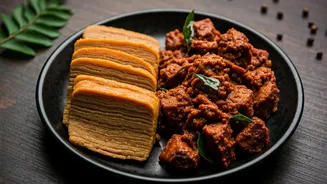
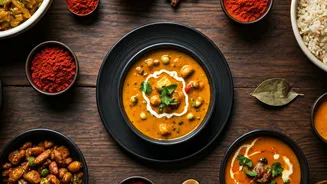
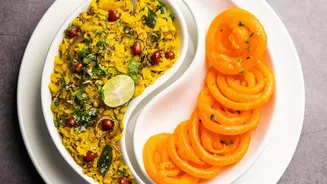
The versatility of Indian cardamom is evident in its wide-ranging culinary applications. It is a key ingredient in traditional Indian sweets, adding a fragrant and aromatic touch. Cardamom also finds its way into beverages, particularly chai tea and coffee, enhancing their flavor profiles. Across different cultures, cardamom is used in savory dishes such as stews, curries, and rice dishes, giving a warm depth to the meal. Chefs worldwide are increasingly experimenting with cardamom, integrating it into innovative recipes. This includes using it in desserts like ice cream and pastries and creating savory sauces and marinades. The creative use of cardamom extends to the use of both the seeds and pods. These varied applications demonstrate the spice's adaptability and value in both traditional and modern cooking.
Future Market Outlook
The future of Indian cardamom looks promising, with opportunities and challenges on the horizon. The increasing global demand, combined with the spice's unique flavor profile, positions it favorably for growth. Expansion into new markets, leveraging digital platforms, and focusing on branding are key strategies for further market penetration. However, challenges such as climate change, fluctuating prices, and competition from other spice-producing countries must also be addressed. Investing in research and development to improve cultivation techniques and yields is vital. Furthermore, supporting sustainable practices is essential to ensure long-term viability and to satisfy consumer demand for ethically produced goods. The future success of Indian cardamom will depend on the ability to adapt to changes in the market.