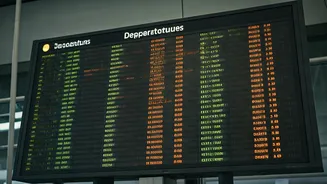

Understanding Flight Cancellations
Flight cancellations can occur for a variety of reasons, affecting travel plans significantly. These disruptions are often influenced by factors like adverse
weather conditions, which can make it unsafe for aircraft to operate, causing delays and cancellations. Technical issues with aircraft also play a role, as unexpected mechanical problems can ground flights until repairs are completed. Other contributing factors include air traffic control problems, which can lead to congestion and delays in managing flight paths, and unforeseen events such as staff shortages or strikes, which may impact the availability of personnel needed to operate flights. Furthermore, global events or security concerns can cause temporary or prolonged disruptions, necessitating flight adjustments for passenger safety and operational reasons.
When Will Things Normalize?
Predicting the return to normal flight operations can be complex and depends on the specific cause of the disruption. If weather-related, improvements in weather conditions are crucial; this can vary from a few hours to several days depending on the severity of the storm. Technical issues usually have a shorter timeframe for resolution. Airlines often work quickly to fix the problems, aiming to have planes back in the air as soon as possible, possibly within hours or a day. However, extensive repairs can take longer. Air traffic control problems might be resolved relatively swiftly, especially if caused by temporary congestion; delays could be brief, whereas broader system failures could require longer recovery periods. Staff-related issues depend heavily on the situation; strikes or prolonged staff shortages can lead to extended disruptions. The resumption of regular service could be affected by how quickly the issues resolve.
Staying Informed During Disruption
Staying updated about flight status is important for any traveler, and there are many effective ways to gather crucial information. Directly monitoring the airline's official website is one of the most reliable sources, where real-time updates are typically posted. Airlines frequently send notifications about delays or cancellations, often via email or SMS, so it's essential to ensure your contact details are current when booking flights. Many aviation apps and third-party flight tracking websites offer detailed flight information, including potential disruptions, allowing travelers to proactively monitor their flights. Additionally, social media platforms and news outlets may provide updates, though it's important to verify the information with official sources to ensure accuracy. If you are at the airport, regularly check the information screens and listen to announcements to stay informed about changes or new developments that may affect your travel plans.
Pre-flight Preparation Tips
Preparation before your flight can greatly mitigate potential travel problems. Ensure your contact details are accurate and easily accessible to the airline so they can notify you of changes. Packing essential items in your carry-on luggage, such as vital medications, toiletries, and a change of clothes, is always prudent. Checking your flight status regularly, particularly close to the departure time, can help you be aware of any issues before you head to the airport. Consider purchasing travel insurance to cover unexpected cancellations, medical emergencies, or lost baggage, which can provide financial protection during disruptions. Have alternative travel plans in mind, including possible flight options, to expedite your adjustment if your initial flight is cancelled. Finally, familiarize yourself with the airline’s policies regarding rebooking or refunds in case of cancellations or significant delays.
Dealing With Cancellations
When a flight is cancelled, knowing how to handle the situation efficiently can save you time and frustration. Immediately contact the airline's customer service or visit the airline's service desk at the airport. Have your booking details ready to expedite the process of rebooking your flight or requesting a refund. Understand your rights as a passenger. Airlines usually have obligations under passenger rights regulations, which can include providing meals, accommodation, or financial compensation depending on the reason for the cancellation and the duration of the delay. Explore alternative flight options. Be proactive and look for available flights to your destination or nearby airports, and consider the possibility of using other transport such as trains or buses if they are available and practical. Keep all documentation related to the cancellation and any extra expenses you incur as you might be required to claim compensation.
Accommodation and Compensation
If a flight cancellation requires an overnight stay, understand your options for accommodation and compensation. The airline has a responsibility to offer accommodation and meals if the delay is significant. If the airline does not provide these services, keep all related receipts because you may be entitled to reimbursement. Note that your insurance may also cover accommodation and related expenses, especially when cancellations result from causes beyond the airline’s control, such as weather conditions. Keep complete records of all communications, expenses, and documentation linked to your travel disruption; this will support any claims you might want to make. Know your rights regarding compensation for the cancellation or severe delays. The exact compensation can vary based on the specific regulations and the reason for the disruption.