
Trade Opportunities Explored
The India-EU Free Trade Agreement is set to open new avenues for trade between India and the European Union. This strategic partnership aims to dismantle
trade barriers, such as tariffs and quotas, which will facilitate a smoother flow of goods and services. Previously, there were significant hurdles that hindered the ease of doing business between India and the EU, adding to the cost of exports and imports. Under the new FTA, these restrictions are expected to be significantly reduced, making Indian products more competitive in the European market. The agreement will likely boost exports of goods such as textiles, pharmaceuticals, and agricultural products from India. Similarly, it will provide Indian businesses with access to high-quality imports from the EU, thereby enhancing the standards and competitiveness of Indian industries. This liberalization of trade is not just about increasing the volume of trade; it also aims to modernize and diversify trade relations. It encourages the adoption of international best practices, improving the overall quality and efficiency of the Indian economy. By fostering a more open and integrated market, the FTA aims to create a mutually beneficial environment for economic prosperity and growth. The FTA also includes provisions aimed at harmonizing technical standards, reducing regulatory complexities, and protecting intellectual property rights. These measures are designed to create a more transparent and predictable trade environment, which further encourages investment and collaboration between India and the EU.
Tech Advancement Initiatives
The India-EU FTA provides a favorable platform for technological collaboration and knowledge sharing. The agreement is set to facilitate the transfer of advanced technologies from the EU to India, thus helping India to modernize its industrial base. This exchange covers a broad spectrum of sectors, including renewable energy, digital infrastructure, and advanced manufacturing. By gaining access to cutting-edge technologies, Indian businesses can improve their operational efficiency, enhance productivity, and develop innovative products and services. The FTA would also stimulate investment in the research and development sector. This in turn, allows Indian companies to collaborate with European partners on joint projects. This increased collaboration is expected to accelerate innovation and foster a culture of technological excellence. The collaboration could involve the development of new solutions to address India’s specific challenges, such as sustainable development, climate change mitigation, and improvements in healthcare and education. Moreover, the FTA is set to encourage the adoption of digital technologies and services. This may include the development of a digital infrastructure, enhancement of cybersecurity measures, and the expansion of e-commerce. It also promises improvements in data governance and data protection, creating a safer and more secure digital ecosystem, which will aid in fostering innovation and investment in the digital economy.
Green Manufacturing Focus
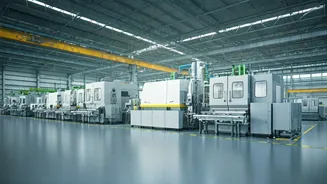
The India-EU FTA places a strong emphasis on green manufacturing and environmental sustainability. The agreement promotes the adoption of environmentally friendly practices and technologies across various manufacturing sectors. The EU is a global leader in promoting sustainable practices. The FTA will pave the way for India to learn and implement eco-friendly industrial practices. This could include the use of renewable energy sources, the adoption of energy-efficient processes, and the development of sustainable supply chains. The agreement could also provide incentives for Indian businesses to invest in green technologies. This could include tax breaks, subsidies, or access to green financing. By incentivizing green manufacturing, the FTA supports India's commitment to mitigating climate change and promoting sustainable development. This shift towards green manufacturing will enhance the competitiveness of Indian industries in the global market. Furthermore, it will help India meet its environmental obligations and contribute to global efforts to combat climate change. The FTA is also expected to facilitate the transfer of green technologies from the EU to India. This could include technologies related to renewable energy, waste management, and pollution control. By adopting these technologies, India can reduce its carbon footprint and create a cleaner, healthier environment. By prioritizing green manufacturing, the India-EU FTA positions India as a leader in sustainable development and strengthens its position in the global green economy.