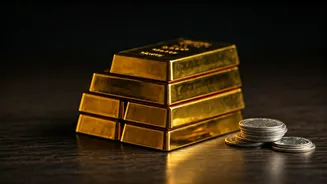









Market Dynamics Unveiled
Several pivotal elements have jointly contributed to the impressive ascent of gold and silver prices. A significant component is the fluctuating value
of the U.S. dollar; when the dollar's value decreases, it often renders precious metals more attractive to international investors, who then find them cheaper to buy. Concurrently, increasing global economic uncertainties, geopolitical tensions, and inflationary pressures typically create a safe-haven demand, where investors turn to gold and silver as reliable assets to safeguard their wealth during periods of economic instability. The interplay of these variables significantly impacts the demand for precious metals, propelling their prices upward, and resulting in the market conditions witnessed recently.
Inflationary Pressures Impact
Inflation, particularly, plays a crucial role. Rising inflation rates erode the purchasing power of currencies, making precious metals appealing stores of value. Investors frequently see gold and silver as effective hedges against inflation, as their prices tend to rise in response to escalating inflation levels. This pattern arises because the value of tangible assets like gold and silver is expected to maintain or improve in times of rising inflation, in contrast to fiat currencies that can lose value. Therefore, the consistent rise in inflation is a crucial factor in driving the prices of gold and silver to record-breaking levels in the market.
Geopolitical Uncertainties Analyzed
Geopolitical uncertainties also substantially influence the demand for precious metals. Global conflicts, trade wars, and political instabilities often push investors towards safe-haven assets, boosting the prices of gold and silver. These metals are perceived as stable, reliable assets that can withstand the negative effects of any global disruption. When geopolitical tensions escalate, investors tend to move their capital to the relative security of these metals, increasing demand and elevating prices. The recent surge in precious metal prices mirrors the market's response to an increase in global uncertainty, which highlights the role of geopolitical events in shaping the value of gold and silver.
Investment Strategies Observed
The investment strategies employed by both institutional and retail investors are a driving factor in the price movements of gold and silver. The growing interest in precious metals, as reflected in the increasing investments in gold-backed exchange-traded funds (ETFs) and physical gold holdings, highlights an enhanced confidence in these assets. Many investors now consider gold and silver as essential components of their investment portfolios due to their perceived stability and diversification benefits. As more funds flow into these metals, demand intensifies, further supporting price increases. Consequently, market trends and investment behavior significantly contribute to the record-breaking levels witnessed by gold and silver.
Economic Indicators Influence
Key economic indicators also provide insights into the performance of gold and silver. The Federal Reserve's monetary policies, like interest rate adjustments, exert a significant influence. Lower interest rates usually make non-yielding assets, like gold, more attractive, hence, increasing the prices. The performance of the U.S. economy, including GDP growth and employment figures, also shapes the outlook for precious metals. A weaker economic outlook commonly boosts the appeal of safe-haven assets, driving their prices upwards. Investors closely analyze these economic indicators to predict future market trends and tailor their investment strategies accordingly.