






The Alarming Rise
Recent data reveals a troubling surge in stroke occurrences among adults between 20 and 45 years old. Studies indicate that cases within this demographic
have escalated by 2.3 times since 2021, with their proportion of total stroke incidents climbing from 12% to 17.8%. This translates to a substantial increase in absolute numbers, from 290 to 690 cases, outpacing the overall rise in stroke incidence. The 30-39 age bracket shows the most pronounced increase, though the 40-45 group still represents the largest segment. Even the younger 20-29 demographic has seen its stroke cases more than triple. Medical professionals attribute this trend to a confluence of lifestyle choices and underlying metabolic conditions, including sedentary habits, stress, poor sleep patterns, smoking, alongside conditions like hypertension, diabetes, obesity, and lipid disorders. A significant concern is the delayed detection, as many individuals dismiss early symptoms until they become severe, exacerbating the health and financial implications.
Financial Exposure & Costs
The financial burden of stroke is particularly heavy for younger patients, who are often the primary breadwinners for their families. Data indicates that a staggering 74-79% of patients are financially under-protected at the point of diagnosis. Almost half of these individuals possess no insurance whatsoever, while an additional 24-28% have coverage below Rs 5 lakh, a sum frequently insufficient to meet the extensive treatment and rehabilitation expenses, which can range from Rs 5 lakh to Rs 12 lakh. Even those with insurance often face a significant out-of-pocket shortfall of Rs 2.5 lakh to Rs 5 lakh. Beyond immediate medical care, the prolonged recovery period and ongoing rehabilitation costs present a substantial financial challenge. Structured home-based rehabilitation offers a more cost-effective solution, potentially reducing overall expenses by 40-55% compared to hospital-based care and shortening the time lost from work by 28-35%.
Reassessing Insurance Needs
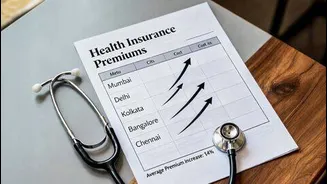
The current health insurance landscape often falls short for younger individuals facing critical illnesses like stroke, particularly given the escalating medical costs and extended recovery periods. Experts strongly advise that insurance coverage should be meticulously planned based on age, geographic location, and familial responsibilities, especially as medical inflation in India hovers around 12-14%. This rise is fueled by advancements in treatments and diagnostics. To build a robust financial safety net against major illnesses, a sum insured of Rs 25-30 lakh for a family of three residing in metro cities is now recommended. For single professionals aged 25-35, a base cover of Rs 10-15 lakh complemented by a super top-up plan is advisable. Couples with children in their 30s should aim for a total coverage of Rs 20-30 lakh, while families in their 40s would benefit from a combined cover of Rs 30-50 lakh.
Beyond Basic Coverage
When considering health insurance, the sum insured is crucial, but policy features also play a pivotal role in mitigating unexpected expenses. Plans that waive room-rent limits and have fewer restrictions on procedures can significantly reduce out-of-pocket spending during treatment. For conditions like stroke, where expenses extend far beyond hospitalisation, encompassing long-term rehabilitation, physiotherapy, and home healthcare, higher coverage becomes indispensable. This is why many individuals with seemingly adequate insurance still incur substantial medical bills. To further bolster financial protection, especially for high-cost conditions, individuals can explore critical illness cover. This type of policy provides a lump-sum payout upon diagnosis, which can be instrumental in covering rehabilitation expenses or compensating for income loss during the recovery phase. Additionally, options like super top-up plans, which extend coverage beyond the base limit, and restoration benefits, which reinstate the sum insured after a claim, can provide enhanced financial security for prolonged treatment or multiple claims within a policy year.