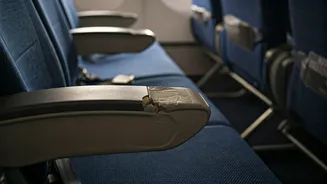









Understanding Service Deficiencies
When your air travel experience falls short of expectations due to issues like non-functional seats, inadequate lavatories, or malfunctioning entertainment
systems, it can be classified as a 'deficiency in service.' This term encompasses any fault, imperfection, or shortcoming in the quality or performance of services that airlines are legally or contractually obligated to maintain. The revised Civil Aviation Requirements (CAR), set to take effect on March 26, 2026, aim to streamline processes for passengers seeking redressal. These new regulations are designed to ensure airlines address grievances more effectively and within specified timelines, thereby enhancing the overall passenger experience and holding carriers accountable for service standards, especially on longer international routes where basic comforts become paramount.
Initial Steps: Airline Grievance
Your first port of call when encountering subpar service on a flight should always be the airline itself. You can initiate a complaint through their designated customer support channels, via their website's grievance portal, or by contacting their nodal officer. Airlines are mandated to investigate and respond to these complaints within a reasonable timeframe. This initial step is crucial for documenting the issue and giving the airline an opportunity to rectify the situation. Failing to exhaust this avenue might impact subsequent legal proceedings. It is advisable to keep detailed records of all communications, including dates, times, and the names of individuals you speak with, as well as any reference numbers provided.
Escalating to Consumer Commission
If the airline fails to resolve your grievance to your satisfaction or provides an inadequate resolution, you have the right to escalate the matter further. The next step is to approach a Consumer Disputes Redressal Commission, as per the Consumer Protection Act, 2019. Here, you can formally file a complaint and seek remedies such as a refund for the deficient service or compensation for the inconvenience and mental agony caused. Legal experts note that claims before the Consumer Commission can typically be filed within two years from the date of the incident. It's important to remember that while DGCA rules often focus on ticket value, consumer courts have the authority to award additional compensation beyond the fare paid, acknowledging the broader impact of poor service.
Navigating Refund & Cancellation Rights
Beyond service deficiencies, specific regulations govern refunds and cancellations. For instance, a free 48-hour window allows passengers to cancel or modify tickets without penalty, provided the flight is not scheduled within 7 days for domestic travel or 15 days for international travel from the booking date. Airlines are also bound by refund timelines, needing to process reimbursements within 14 working days, irrespective of whether the ticket was bought directly or through a third party. Furthermore, airlines cannot charge for correcting minor passenger name errors if the request is made within 24 hours of booking directly with the carrier. In instances of medical emergencies, such as the hospitalization of a passenger or a family member on the same PNR, airlines may offer a refund or a credit shell for future travel.
Landmark Rulings & Compensation Concerns
Recent legal interventions highlight the importance of passenger rights. For example, a New Delhi Consumer Commission ordered an airline to pay Rs 1.5 lakh in compensation to a passenger and their daughter for a flight experiencing broken seats, unhygienic facilities, and non-functional entertainment screens, deeming it a gross deficiency in service. Despite such significant rulings, aviation experts suggest that compensation levels are often still perceived as insufficient, especially for long-haul international flights where the inconvenience is amplified. There's a growing call for compensation to genuinely reflect the severity of the disruption and ensure basic passenger comfort, including hygiene and seat functionality, is always prioritized and adequately compensated when compromised.